

Beyond the Rising Price of Ginger: Is Ghana Sitting on an Untapped Agricultural Goldmine?
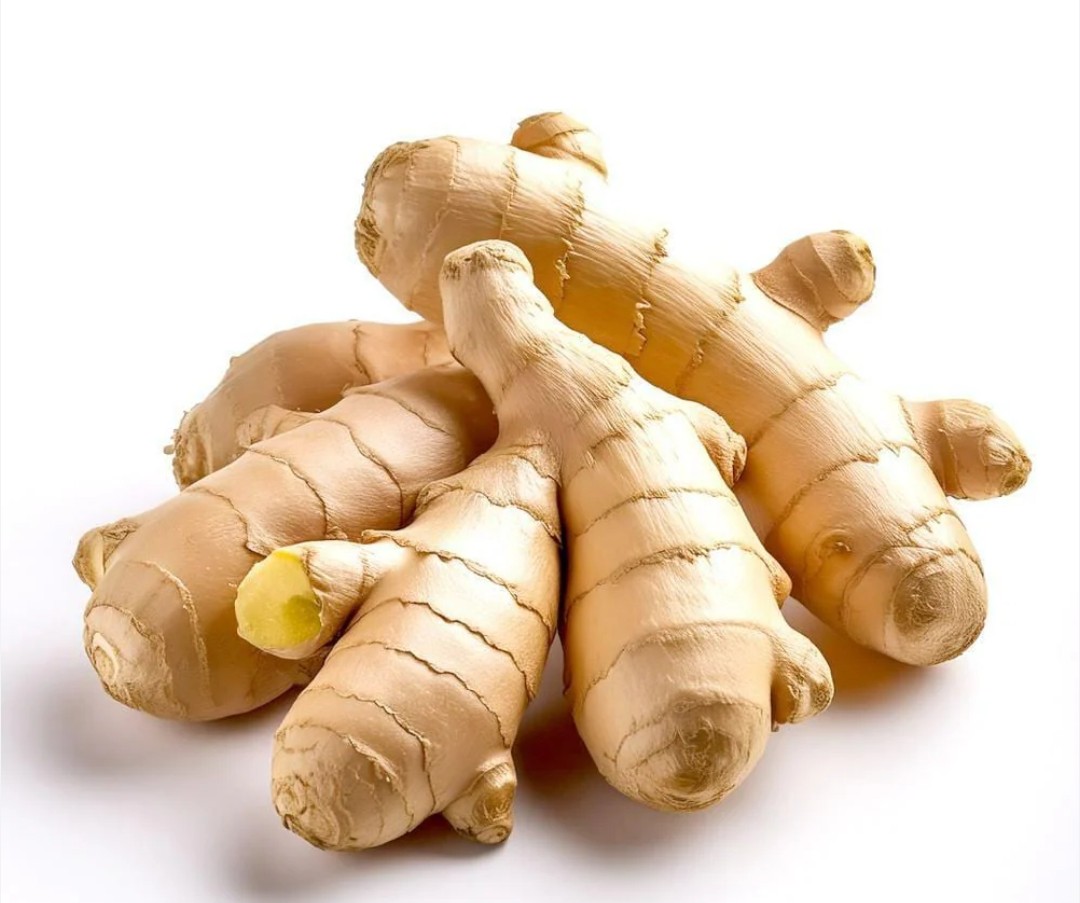
The soaring price of ginger is becoming a growing concern for households, food vendors, traders and manufacturers across Ghana. Yet, beyond the escalating prices lies an even bigger story. Is Ghana failing to harness the full economic potential of one of its most valuable agricultural commodities?
In search of answers, Express News embarked on an extensive nationwide investigation, travelling through some of Ghana’s busiest commercial centres, including Accra, Kumasi, Tamale, Bolgatanga, Ho, Hohoe, Nkwanta, Sunyani, Takoradi, Cape Coast, Techiman and several other major markets where ginger is bought and sold daily.
From one market to another, the findings painted a remarkably similar picture.
Consumers lamented the relentless rise in the price of ginger. Traders complained of dwindling supplies and increasing wholesale costs, while food vendors expressed concern that one of the country’s most indispensable spices had become increasingly expensive.
Although individual explanations varied, one reality remained undeniable. Ginger has become scarcer, prices continue to rise and no one appeared certain about when the situation would improve.
As the investigation progressed, several pressing questions emerged.
If Ghana is blessed with fertile land, favourable climatic conditions and millions of hardworking farmers, why is the country still unable to produce enough ginger to satisfy domestic demand?
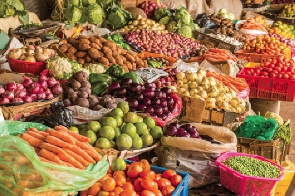
Why do Ghanaians continue to experience recurring shortages and sharp price increases in tomatoes, onions, pepper and several other essential vegetables, spices and condiments that form the backbone of everyday cooking?

What exactly lies at the heart of this challenge? Is it inadequate policy direction, insufficient investment, crop diseases, climate variability, poor irrigation infrastructure, weak extension services, post harvest losses, limited access to improved planting materials or the absence of a deliberate national strategy?
If these constraints are already known, what concrete measures are being taken to overcome them?
Why have crops such as cocoa, cashew and shea consistently enjoyed sustained government attention while ginger, despite its enormous nutritional, medicinal and commercial value, continues to receive comparatively little policy focus?
Could Ghana be overlooking another agricultural commodity capable of generating substantial foreign exchange, creating employment and transforming rural economies?
The investigation also turned its attention to the Ministry of Food and Agriculture.
Reports indicate that the Deputy Minister possesses practical experience in ginger cultivation. If that is indeed the case, can such expertise be translated into practical national policies capable of transforming Ghana’s ginger industry? More importantly, can both the Minister and his Deputy seize this opportunity to champion a bold national agenda that will not only restore confidence in ginger production but also position Ghana as a leading producer on the international market?
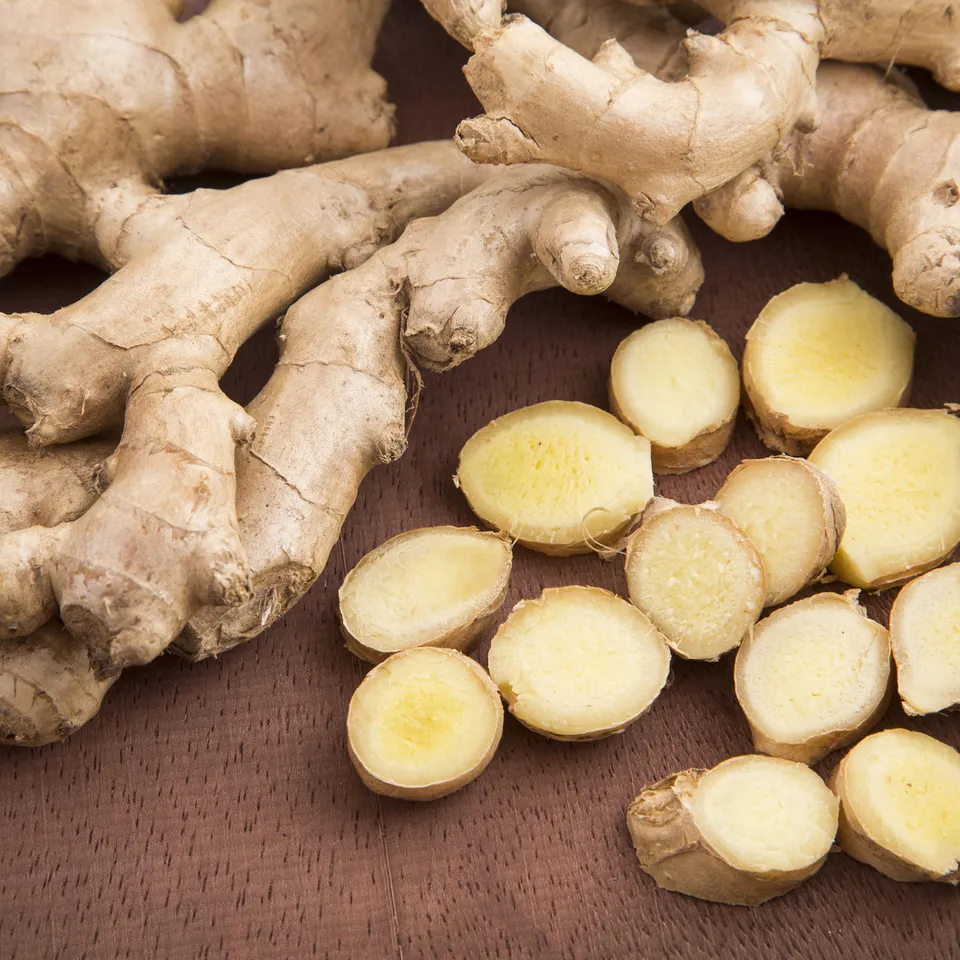
Could this be the right time to introduce a comprehensive National Ginger Development Programme that supports farmers with improved planting materials, irrigation, mechanisation, affordable credit, processing facilities, storage infrastructure, value addition and access to export markets?
Above all, what long term strategy does Ghana have to ensure that ginger, tomatoes, onions, pepper and other essential vegetables, spices and condiments are produced in sufficient quantities throughout the year so that consumers are no longer subjected to recurring shortages, escalating prices and dependence on imports?
These were the questions that confronted the Express News team throughout its nationwide tour. To separate speculation from fact, the team sought expert insight from Mr. Curtice Dumevor, Public Health Expert and Social Commentator of the Ghana Health Service, who provided a detailed assessment of ginger’s nutritional importance, medicinal value, economic potential and the practical interventions capable of transforming the crop into one of Ghana’s next agricultural success stories.
According to Mr. Dumevor, ginger is far more than a kitchen spice. It is one of nature’s most valuable medicinal and nutritional crops, containing powerful antioxidants and bioactive compounds that support the immune system, aid digestion, reduce inflammation, relieve nausea and serve as an essential ingredient in the food, beverage, pharmaceutical and cosmetic industries. He observed that almost every Ghanaian household depends on ginger in one form or another, making it one of the country’s most important yet least appreciated agricultural commodities.
He explained that commercial ginger production is concentrated mainly in parts of the Bono, Ahafo, Ashanti, Eastern, Oti and Western North Regions. However, production remains below national demand because of crop diseases, seasonal production patterns, inadequate investment, limited irrigation, post harvest losses and the absence of a coordinated national policy dedicated to the crop.
Moving beyond the diagnosis of the problem, Mr. Dumevor outlined what he believes is a practical roadmap for transforming Ghana’s ginger industry.
He proposed the establishment of a comprehensive National Ginger Development Programme that would bring together government, research institutions, financial institutions, extension officers, private investors and farmers under a common vision.
He further recommended increased investment in agricultural research to develop high yielding and disease resistant varieties while strengthening extension services to equip farmers with modern cultivation techniques and effective disease management practices.
He also called for the expansion of irrigation infrastructure to support year round production, the provision of affordable credit and farm inputs to producers, and increased investment in mechanisation to improve productivity.
Recognising that production alone is not enough, he stressed the need for modern storage facilities, processing factories and value addition industries capable of producing ginger powder, essential oils, teas, beverages, pharmaceuticals, cosmetics and other export ready products.
In addition, he urged government to encourage commercial ginger farming through strategic partnerships with the private sector, strengthen farmer cooperatives and create reliable market opportunities that will inspire confidence among producers.
He further advocated an aggressive export promotion strategy that would position Ghanaian ginger competitively on the international market, just as the country has successfully done with cocoa and, more recently, cashew.
Mr. Dumevor was quick to add that the same level of commitment should not be reserved for ginger alone. According to him, tomatoes, onions, pepper and several other essential vegetables, spices and condiments deserve similar policy attention if Ghana is to achieve food security, reduce imports, stabilise prices and strengthen its agricultural economy.
He believes that with deliberate investment, sound policy direction and sustained political commitment, Ghana can create thousands of jobs, improve rural livelihoods, stimulate agro processing industries, earn substantial foreign exchange and become largely self sufficient in the production of these essential commodities.
He concluded by stating that the current surge in ginger prices should not merely be viewed as another market fluctuation. Rather, it should serve as a national wake up call and an opportunity for government to rethink its agricultural priorities. Ghana has the land, the climate, the expertise and the market. What remains is the determination to unlock the enormous economic potential that lies beneath its own fertile soil.
For many consumers, the rising price of ginger is simply another burden on the family budget. However, the broader picture suggests something far more significant. It raises important questions about national planning, agricultural policy and whether Ghana is doing enough to harness the opportunities within its own borders. Until those questions are answered with bold action, the price of ginger may continue to rise, but the greater cost will be the opportunities the nation failed to seize.
About Author