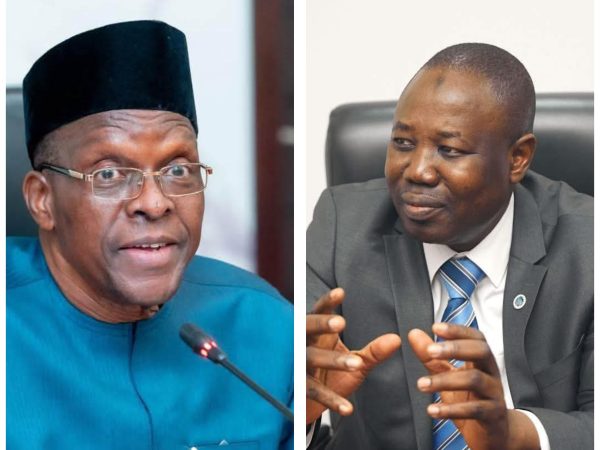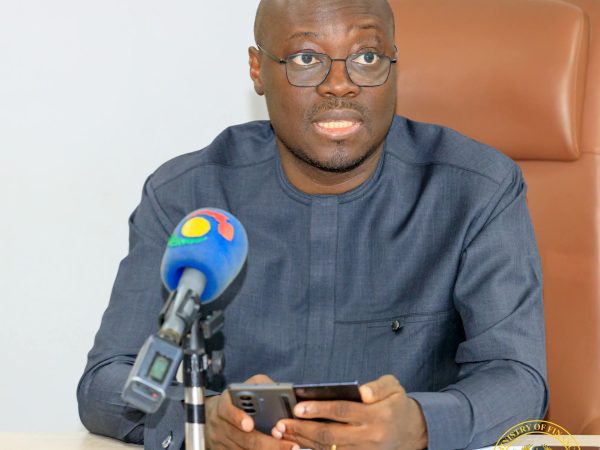

Doliwura Reveals How NIB Returned to Profit with GH¢438 Million in 18 Months at Autobiography Launch
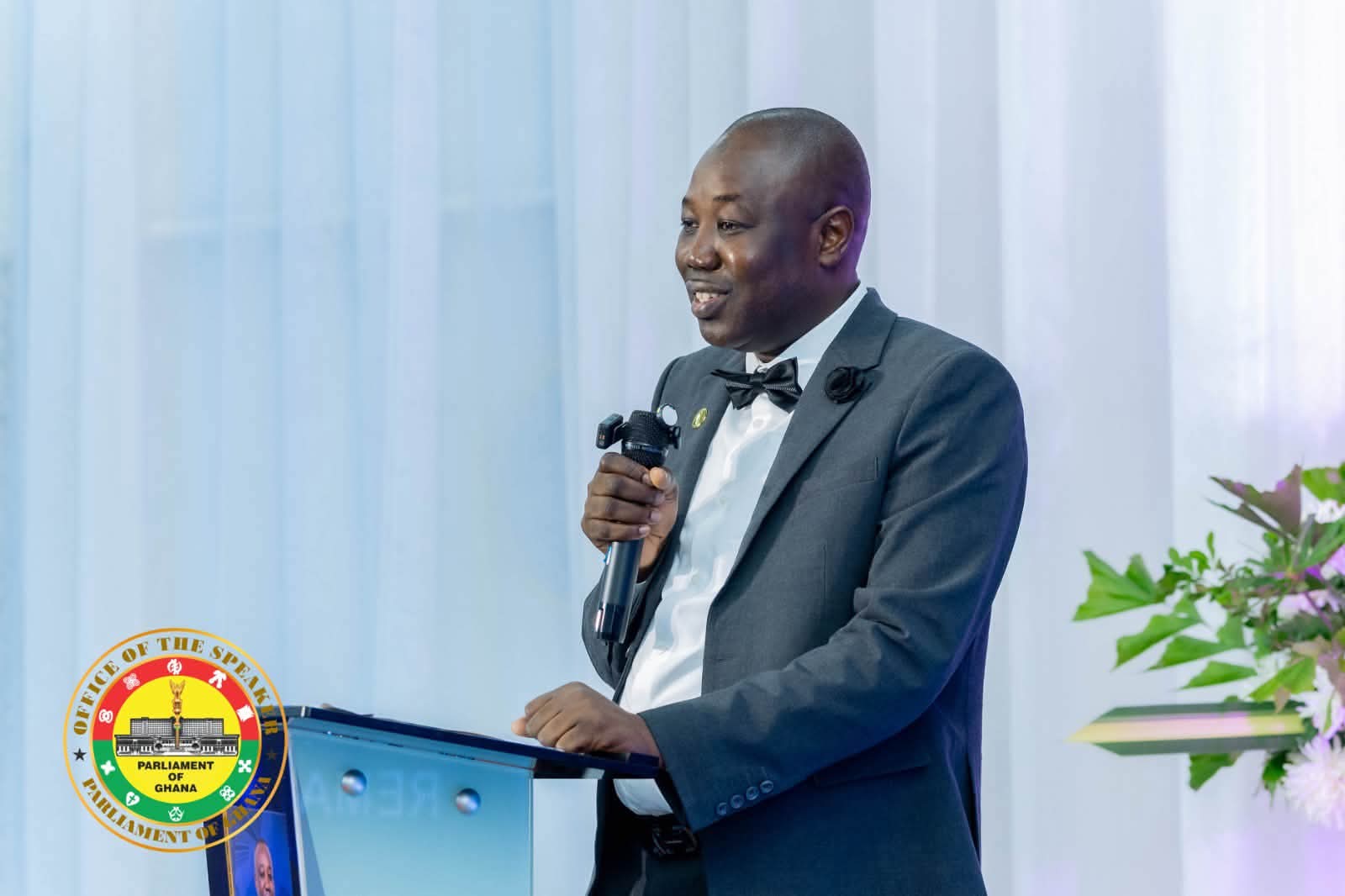
Chief Dr. Doli-Wura Awushi Abdul-Malik Seidu Zakaria has disclosed that the National Investment Bank (NIB) Plc generated a combined profit of GH¢438 million within 18 months after an ambitious turnaround strategy that restored the fortunes of the state-owned bank.
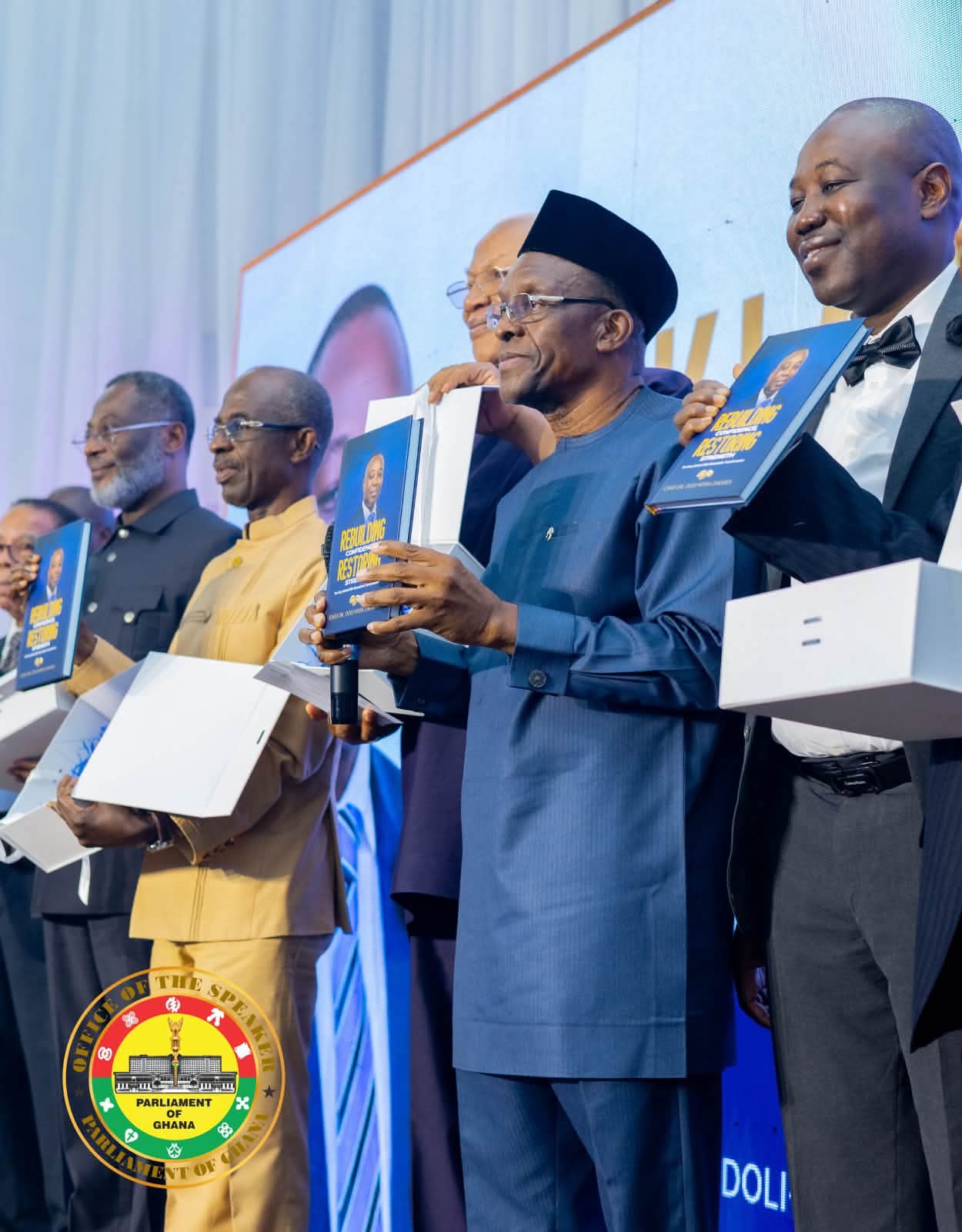
Speaking at the launch of his autobiography, Rebuilding Confidence, Restoring Strength, at the British Council in Accra on Tuesday, Chief Dr. Doli-Wura said the remarkable recovery demonstrated that even struggling institutions could be transformed through visionary leadership, teamwork and disciplined execution.
According to him, NIB’s profit rose dramatically from GH¢3.1 million in 2024 to GH¢344 million in 2025, before recording an additional GH¢94 million during the first half of 2026, bringing the total profit over the period to GH¢438 million.
“What awaits me at this event is to tell you the story of how we turned NIB around,” he told the audience, stressing that the achievement belonged to the bank’s Board, management, staff, customers and stakeholders rather than one individual.
Chief Dr. Doli-Wura explained that he took personal responsibility for rebuilding confidence in the bank by leading an aggressive deposit mobilisation campaign.
“I led by example, moved to the field and to decision-makers to mobilise deposits,” he said.
The strategy paid off, with customer deposits increasing from GH¢6.4 billion in 2024 to GH¢12.9 billion within 18 months.
He also revealed that NIB became the first bank to be recapitalised within four months after securing GH¢1.97 billion in recapitalisation support, a development that significantly strengthened the institution’s balance sheet.
As a result, the bank’s total assets expanded from GH¢5.8 billion in 2024 to GH¢14.9 billion by June 2026, while shareholders’ equity moved from a negative GH¢851 million to a positive GH¢1.64 billion over the same period.
Chief Dr. Doli-Wura further disclosed that the bank’s Capital Adequacy Ratio improved from negative 47 per cent in 2024 to positive 48.1 per cent by June 2026, while non-performing loans declined from 76 per cent to 52.21 per cent.
He said the turnaround also involved eliminating waste across the institution, resulting in a 25 per cent reduction in operating costs.
“Through complete elimination of waste, we are saving 25 per cent of cost across board,” he stated.
Despite the impressive performance, Chief Dr. Doli-Wura cautioned that rebuilding NIB remains an ongoing journey.

“There are branches that are undergoing modernisation and opportunities yet to be fully realised,” he noted, adding that sustainable institutional transformation cannot be achieved within a single year.
While celebrating the bank’s recovery, the NIB Managing Director said his autobiography was intentionally written as a practical leadership guide rather than a personal success story.
“An account that records only victories is not a lesson; it is merely a celebration. I wanted this book to be a learning document,” he said.
He urged leaders to embrace humility and continuous learning, saying, “No leader grows by pretending to have all the answers. We grow by listening, adjusting, admitting mistakes and improving.”
Chief Dr. Doli-Wura emphasised that institutions are transformed by people rather than buildings, technology or policies.
“Buildings do not transform institutions. Technology alone does not transform institutions. Policies and procedures, important as they are, do not transform institutions. People do,” he declared.
According to him, employees perform at their best when they are trusted, empowered and inspired by a shared purpose, adding that the NIB recovery created new opportunities for young professionals while restoring public confidence in the bank.
Addressing leaders from the banking sector, public institutions, traditional authorities and the private sector, he called on them to see leadership as stewardship rather than ownership.
“Your institution is not yours; you are merely its steward for a season,” he said, urging leaders to build institutions that would serve future generations even if they never personally benefited from the results.
Chief Dr. Doli-Wura said the NIB experience proved that institutional decline is not irreversible.
“If this book serves any purpose beyond telling the story of one institution, I hope it reminds readers that decline is not destiny, that broken institutions can be rebuilt, and that determined people can accomplish more than circumstances often suggest,” he said.
He concluded by paying tribute to the many individuals who contributed to NIB’s revival, insisting that the transformation was a collective achievement.
“The story recorded in these pages is not the story of one man. It is the story of many people choosing to begin the difficult work of restoration,” he said before leaving the audience with a symbolic reflection: “The tree has been planted. The shade is for others.”
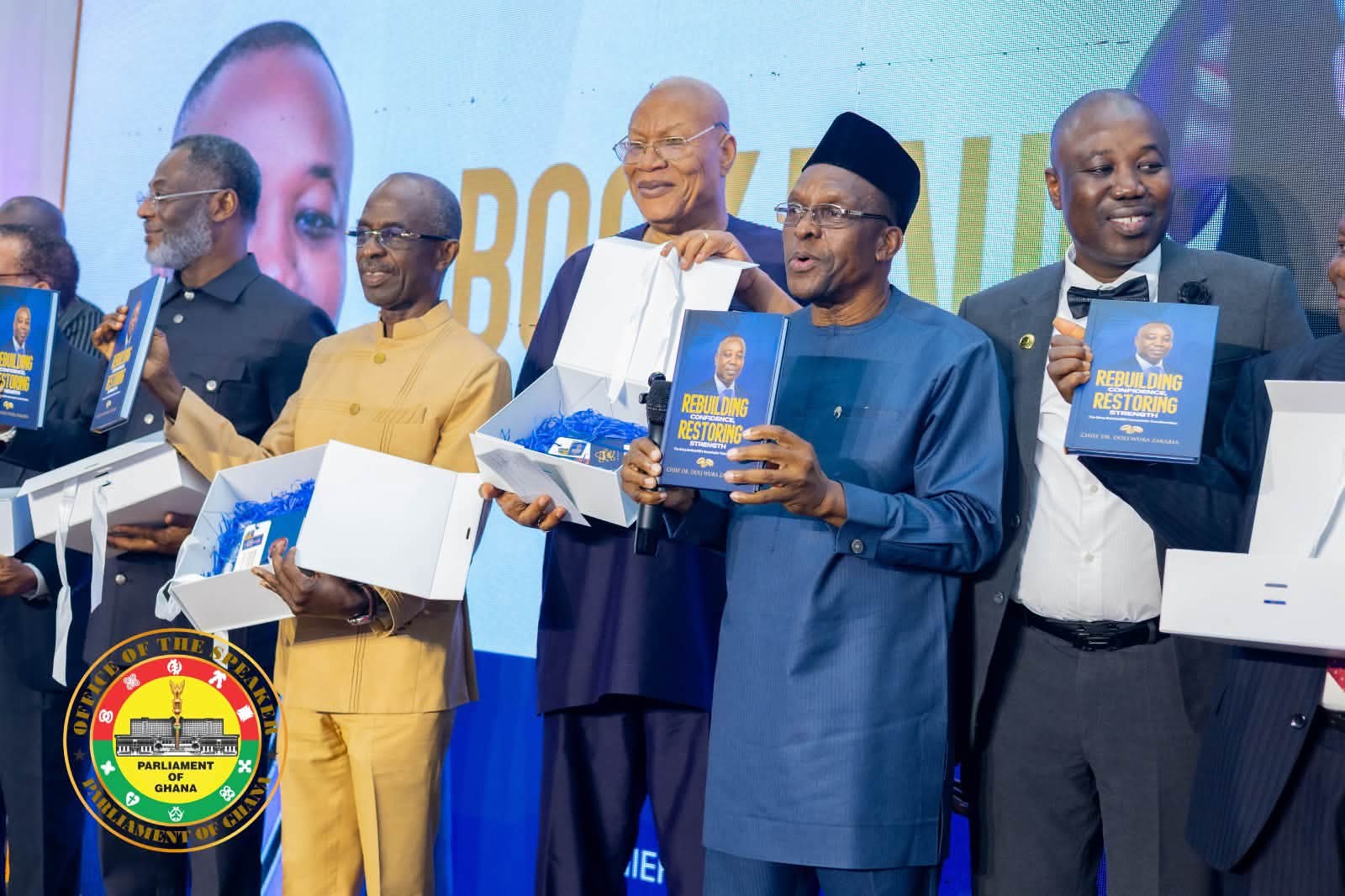
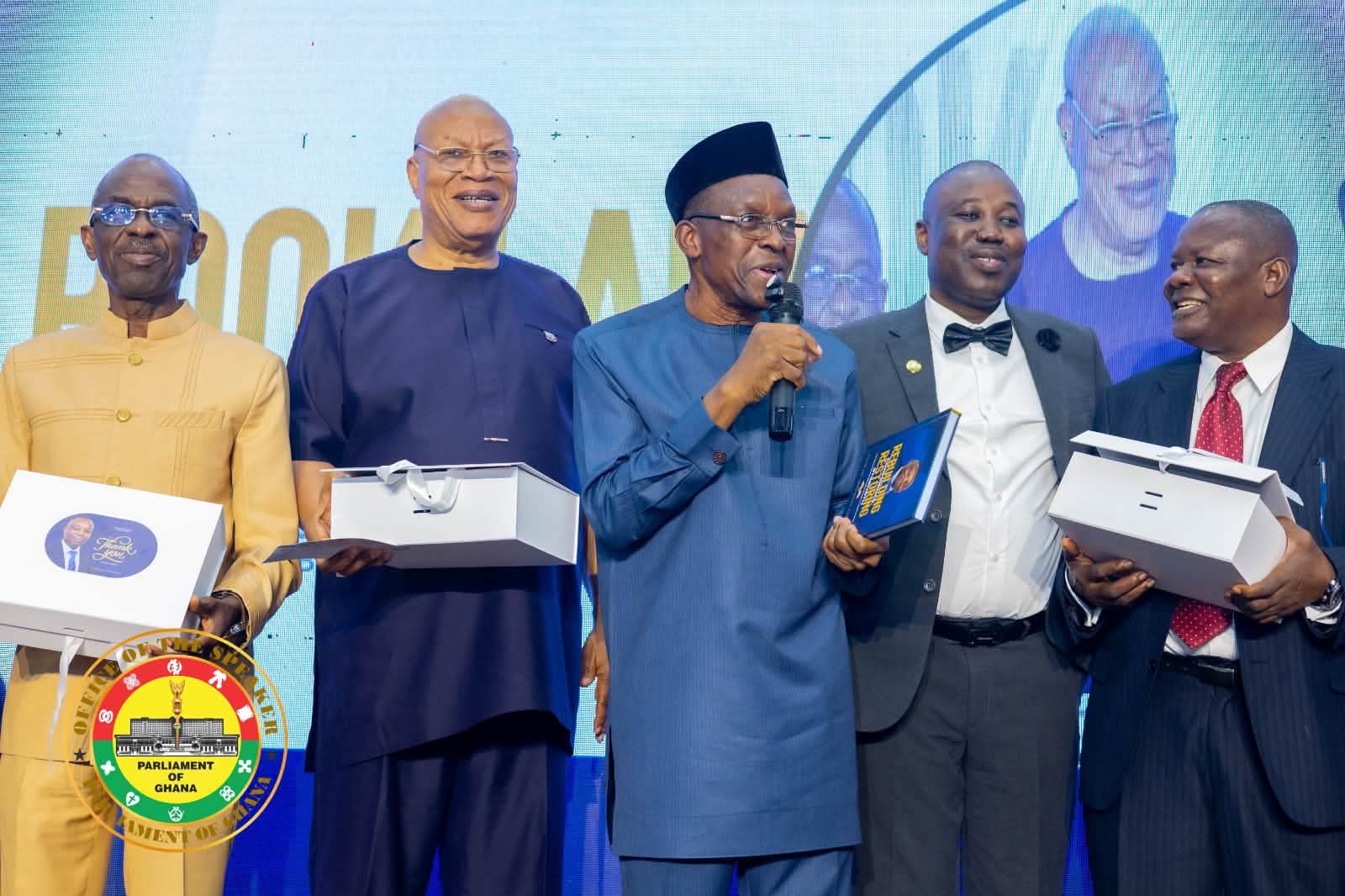

Source: Felix NYAABA/expressnewsghana.com
About Author