
Local Government Minister Urges Renewed National Commitment to Climate Action
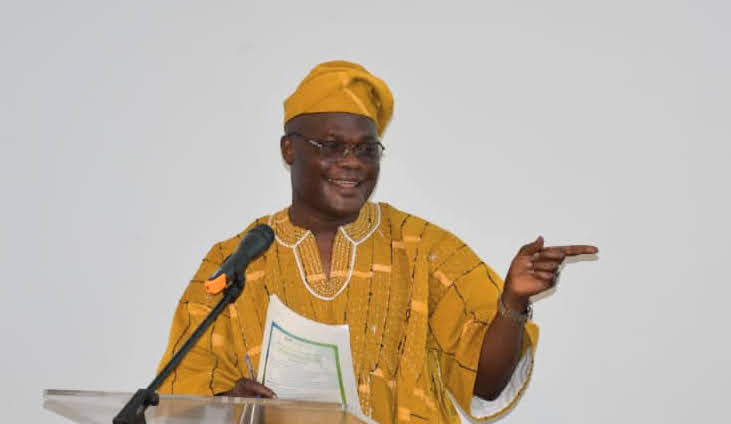
The Minister for Local Government, Decentralization and Religious Affairs, Hon. Ahmed Ibrahim, has urged all Ghanaians particularly stakeholders in the climate and environmental sectors to renew their commitment to tackling climate change through stronger local action, innovation, and collaboration.
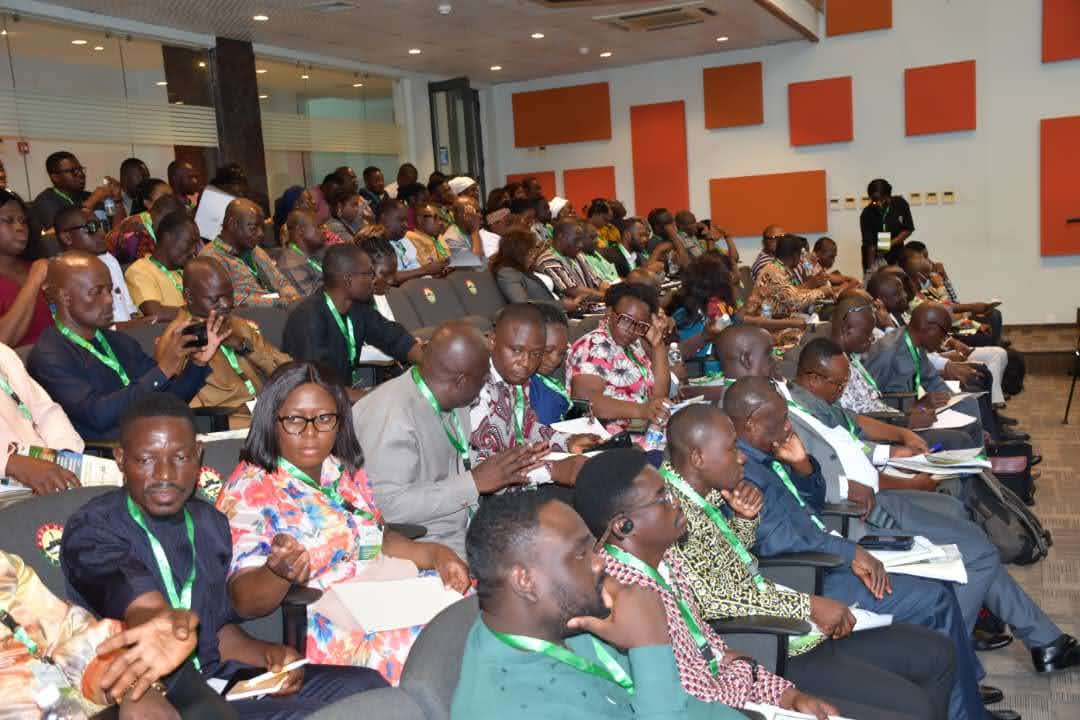
He made the call at a Climate Communication Forum and Workshop organised by the Climate Communications and Local Governance-Africa (CCLG-Africa) on Thursday, October 16, 2025, in Accra.
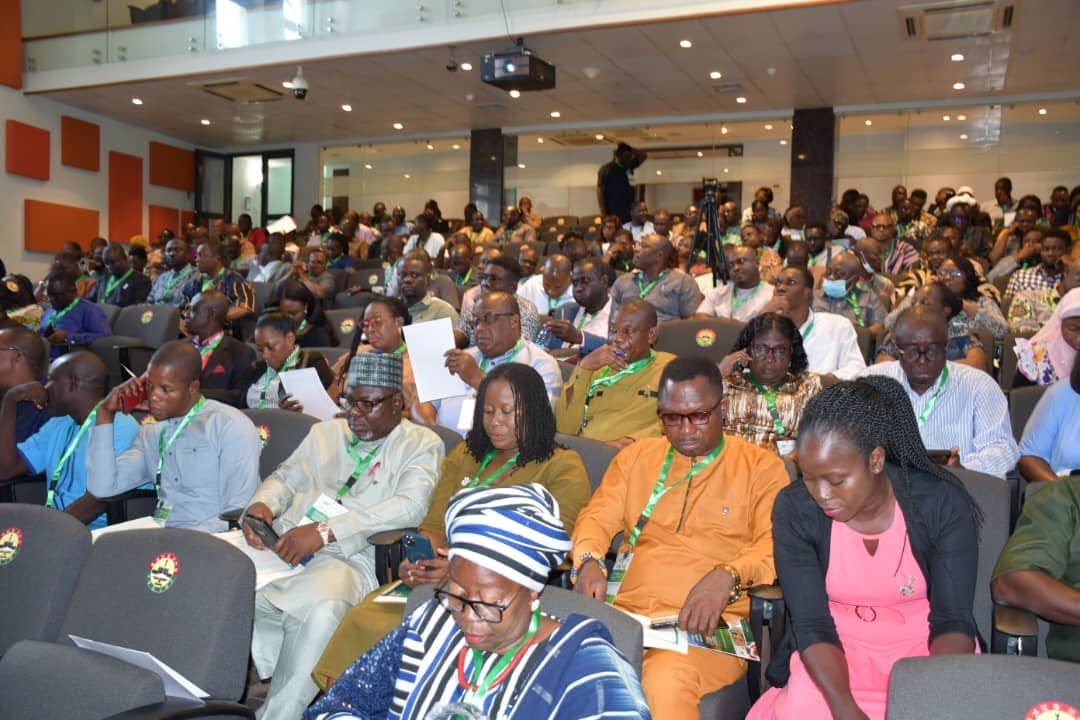
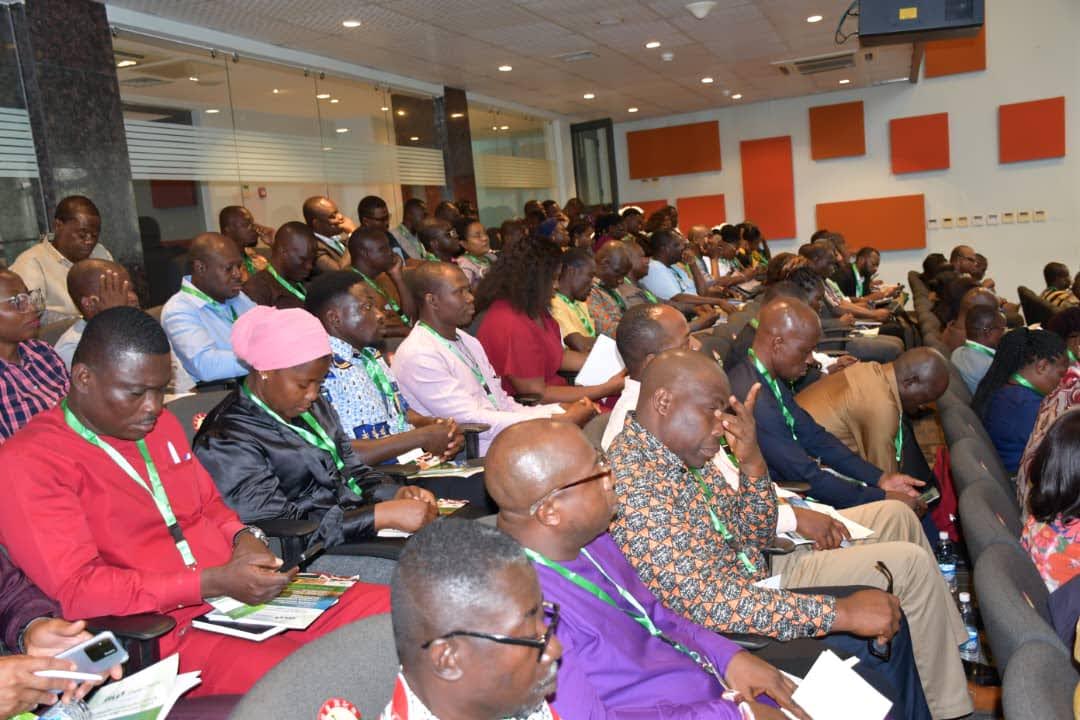
The event brought together Metropolitan, Municipal, and District Chief Executives (MMDCEs), representatives of Civil Society Organisations (CSOs), Non-Governmental Organisations (NGOs), academia, the private sector, and the media.
In his keynote address, Hon. Ibrahim emphasized that climate change is no longer a distant concern but a present reality that threatens lives and livelihoods across Ghana.
“It manifests in the floods that destroy farms and homes, the coastal erosion displacing communities in Keta, and the prolonged droughts affecting food production in the northern regions,” he said. “Yet, amid these challenges lies an opportunity to build a resilient Ghana that adapts, innovates, and thrives.”
The Minister highlighted the central role of local governments in driving climate resilience, noting that the Metropolitan, Municipal and District Assemblies (MMDAs) are best placed to implement national climate policies and ensure grassroots adaptation.
He cited several government-led initiatives aimed at strengthening local climate action, including:
The Boosting Green Employment and Enterprise Opportunities in Ghana Project (GrEEn), funded by the European Union and implemented with the United Nations Capital Development Fund (UNCDF).
The Local Climate Adaptive Facility Applying Circular Economy (LUCA) Project, designed to help assemblies access climate finance and invest in green, climate-resilient infrastructure.
The Tamale Urban Resilience Project, supported by the European Union and the French Development Agency, which focuses on combating flooding, drought, and urban heat while promoting green public spaces and citizen-led urban planning.
The Ghana Secondary Cities Support Project and the Greater Accra Resilient and Integrated Development (GARID) Project, both promoting solar-powered infrastructure, improved drainage, and sustainable waste management.
Hon. Ibrahim also announced that the ministry, in collaboration with partners, is finalizing the Revised National Urban Policy and Human Settlements Plan (2026–2035), which integrates green city concepts, digitalization, and climate-smart urban planning.
He reiterated President John Mahama’s directive to halt the use of wood-based furniture in schools as part of efforts to reduce deforestation and promote eco-friendly materials.
“Our forests are being depleted at an alarming rate. We must shift to sustainable alternatives such as steel and plastic to preserve our environment,” he said.
The Minister urged assemblies and citizens to take personal responsibility for greening their communities.
“Even if you plant just 20 trees and nurture them, your environment will transform,” he noted, citing his own experience of planting and maintaining trees at Parliament and at home.
He concluded by calling for stronger partnerships among government, civil society, academia, the private sector, and traditional authorities, emphasizing that climate resilience must become a way of life rather than a response to emergencies.
“Resilience is not a one-off event—it must be our culture. Together, we can build a Ghana where every district is climate-smart, every community is prepared, and every citizen is part of the solution.”

In a speech read on his behalf, the Minister of State for Climate Change and Sustainability, Hon. Issifu Seidu, reaffirmed government’s commitment to advancing climate resilience and sustainable development through innovation, effective governance, and strategic communication.
He commended the Climate Communication Forum and Workshop organized by Climate Communicators and Local Governance Africa (CCLG-Africa), for its efforts to promote dialogue and collaboration on climate-related issues.
According to him, the Office of the Minister of State for Climate Change and Sustainability, established by His Excellency John Dramani Mahama, was created to mainstream climate action across all sectors and strengthen coordination among key institutions.
“Our central mandate is to build a climate-resilient and sustainable Ghana — one that integrates sustainability into every facet of governance and ensures that no one is left behind,” he stated.
As part of this mandate, Hon. Seidu announced plans to establish Climate and Sustainability Units in all 261 Metropolitan, Municipal and District Assemblies (MMDAs). The initiative aims to decentralize climate action by empowering local authorities to plan, implement, and monitor sustainability programmes tailored to local needs.
“These units will serve as focal points for data collection, community engagement, climate finance mobilization, and coordination of partnerships, effectively bridging national policy with local implementation,” he explained.
The Minister stressed that effective climate communication is key to driving community engagement and behavioral change. He noted that while the impacts of climate change — such as flooding, coastal erosion, and erratic rainfall — are visible across the country, public understanding of adaptation measures remains limited.
“Communication translates science into stories people can relate to, policies into community actions, and national goals into local movements,” he added, acknowledging the vital role of CCLG-Africa, the media, and civil society in this effort.
He further underscored that sound governance is the backbone of national climate resilience, stressing that climate change must be treated as a cross-sectoral development challenge. The government, he said, continues to integrate climate priorities into the Medium-Term Development Plans of all MMDAs in partnership with key institutions, including the Ministry of Local Government, the Environmental Protection Authority, and Parliament.
On innovation, Hon. Seidu highlighted the work of Ghanaian innovators developing solutions in renewable energy, sustainable waste management, and climate-smart agriculture. He pledged the Ministry’s commitment to supporting these initiatives through partnerships with the private sector, academia, and development partners to create green jobs and foster a low-carbon economy.
As Ghana prepares to host the African Climate Communication Conference next year, Hon. Seidu described the forum as a timely opportunity to strengthen coordination and amplify the nation’s shared commitment to sustainability.
“Let us continue to communicate clearly, govern responsibly, and innovate boldly,” he concluded, “for it is through these collective efforts that we will build a Ghana that is not only resilient to climate change but also inclusive and sustainable.”
Source: Felix Nyaaba/expressnewsghana.com
About Author