
SONA 2026: Dr Thomas Anaba Applauds Mahama’s Bold Vision to Transform Ghana’s Health Sector
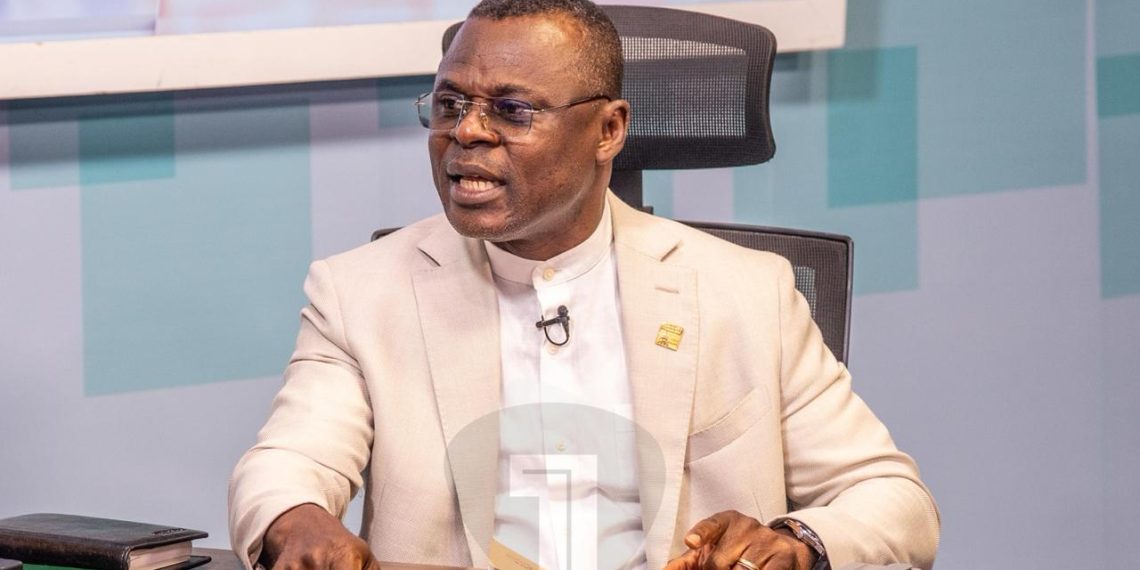
….Urges Medical Doctors Accept Posting to Rural Communities
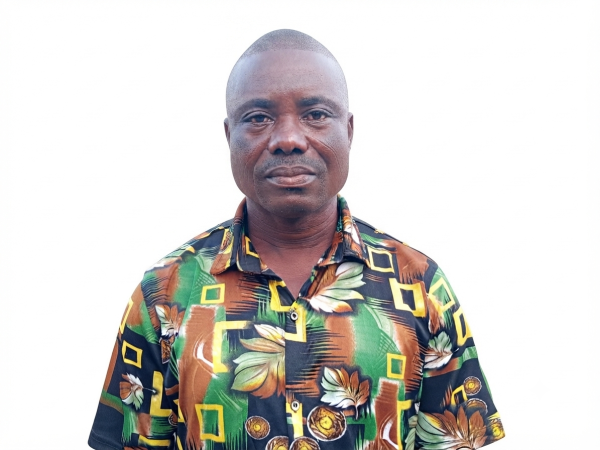
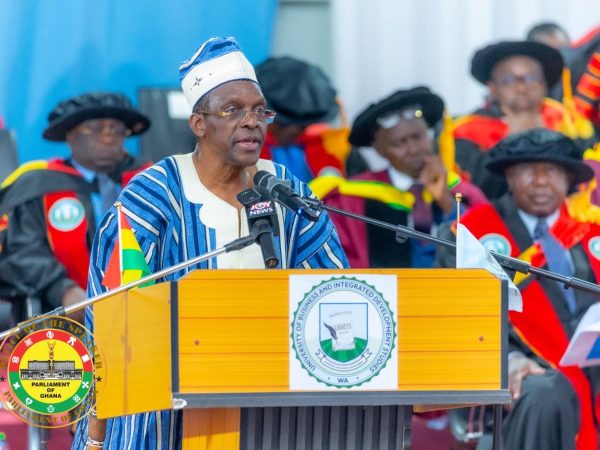
In a resounding endorsement of the government’s healthcare roadmap, the Member of Parliament for Garu, Dr. Thomas Winsum Anaba, has hailed President John Dramani Mahama’s 2026 State of the Nation Address (SONA) as a transformative blueprint for the country’s medical landscape.
Speaking to the press shortly after the President concluded his address to Parliament on Friday, Dr. Anaba, a seasoned medical professional himself, described the President’s vision as both courageous and deeply attuned to the realities of the ordinary Ghanaian.
The legislator noted that the President’s focus on emergency care, infrastructure completion, and rural healthcare equity signals a departure from rhetoric toward measurable action.
During his address, President Mahama took a firm stance on medical ethics, issuing a passionate appeal to healthcare providers to uphold the sanctity of life.
He specifically addressed the harrowing reports of “no-bed” syndromes and the rejection of emergency cases, tasking the Ministry of Health to ensure that no Ghanaian is turned away during a life-threatening crisis.
Dr. Anaba observed that the President’s decision to elevate this issue to the floor of Parliament underscores a high-level commitment to ending systemic negligence in emergency wards.
A cornerstone of the 2026 SONA was the President’s pragmatic approach to the Agenda 111 projects.
Acknowledging the delays that have plagued the initiative, President Mahama announced a strategic allocation of GH¢100 million for the current fiscal year.
This funding is earmarked for the completion of the first ten facilities in a phased rollout designed to protect existing structures from decay while bringing relief to underserved districts.
Dr. Anaba lauded this “completion-first” strategy, noting that for residents in areas like Garu, these facilities represent the difference between life and death.
Touching the perennial challenge of brain drain and the concentration of doctors in urban centers, Dr Anaba who is also a member of the Parliament health Committee urged young medical officers to embrace postings in rural Ghana.
He noted that the government would not ask doctors to serve in deprived areas without support and called for a robust package of differential incentives and enhanced remuneration for those working outside the capital.
Dr. Anaba, drawing on his personal history as a specialist who chose to serve in Northern Ghana over lucrative opportunities in Accra, to echo his call.

He characterized rural service as a vital national duty but emphasized that the President’s promise of “hardship allowances” and better housing for rural medics is the missing link needed to make these postings sustainable.
The President also provided long-awaited updates on stalled “legacy” projects.
He committed to the swift completion of the La General Hospital and the commencement of the second phase of the Greater Accra Regional Hospital (Ridge).
These expansions, coupled with a massive GH¢1.6 billion investment into retooling health facilities with modern diagnostic technology, are intended to provide the backbone for the newly proposed “Mahama Care Ghana Medical Trust Fund.”
President Mahama told Parliament that a modern health system cannot rely on manual labour alone; it requires the “digital and technological muscle” to provide accurate, rapid specialist care.
By the close of his address, the President painted a picture of a Ghana where the quality of one’s healthcare is no longer determined by their geography or social standing.
Reflecting on the day’s proceedings, Dr. Anaba expressed total confidence in the administration’s direction.
He noted that the combination of infrastructure investment, modern equipment, and a motivated workforce—as outlined by President Mahama will move Ghana toward the goal of universal health coverage.

Source: Felix Nyaaba/expressnewsghana.com
About Author