

Speaker Bagbin Calls for Strategic Investment in Parliamentary Training Institutes
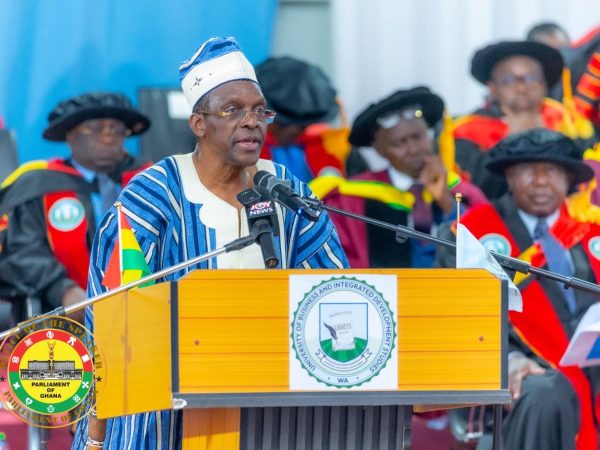
The Speaker of Ghana’s Parliament, Rt Hon Alban Sumanan Kingsford Bagbin, has reiterated the legislature’s commitment to modernising parliamentary practice and strengthening the professional capacity of Members of Parliament and staff.
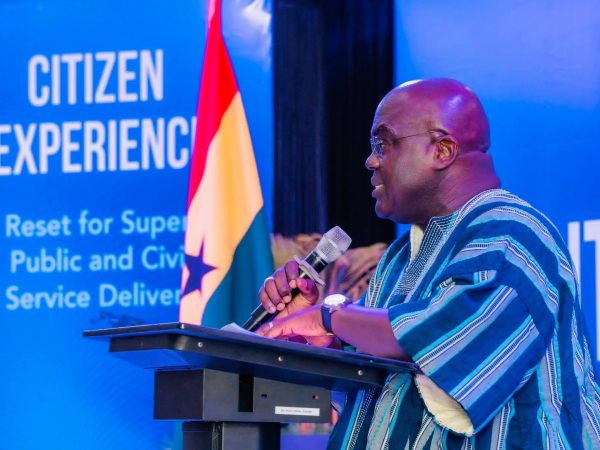
Delivering a keynote address on his behalf at the inaugural meeting of the Network of Parliamentary Training Institutes (PTIs) in Accra on Monday, March 23, 2026, the First Deputy Speaker, Bernard Ahiafor, emphasised the urgent need to modernise parliamentary training frameworks in line with evolving global governance trends
He noted that strong parliaments are not built by chance but through deliberate and sustained investment in people, systems and institutions.
According to the Speaker, the growing complexity of governance requires legislatures to continuously strengthen their competence and adaptability.
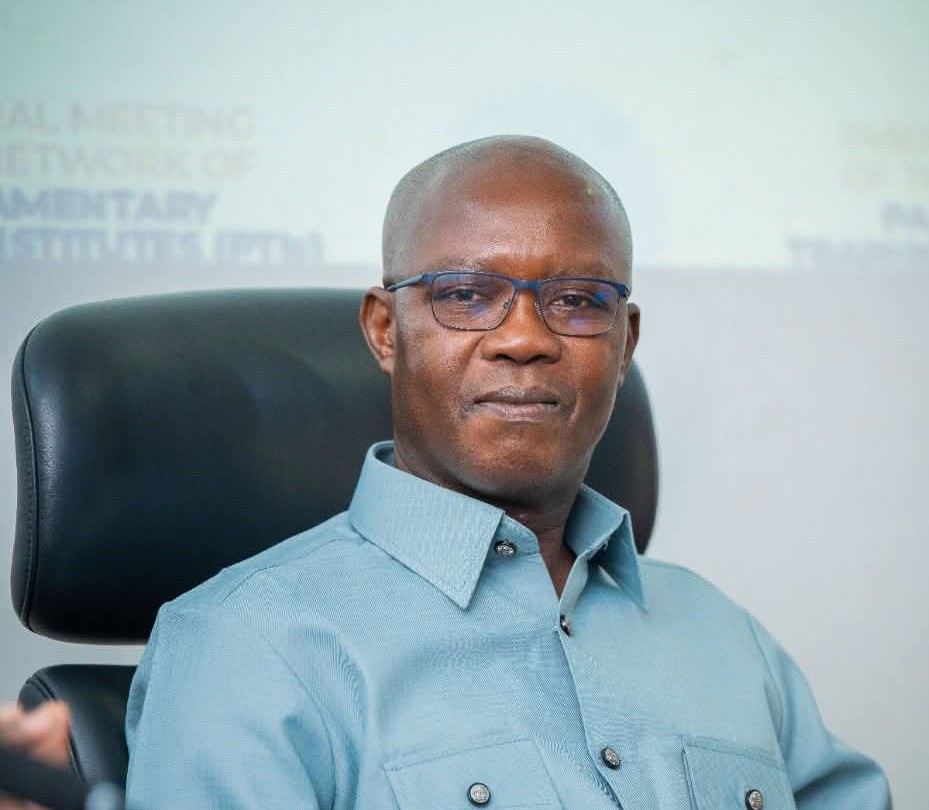
“Parliamentary democracy is increasingly being called upon to address complex governance challenges in a rapidly changing world,” the statement noted. “These responsibilities require not only institutional authority but also institutional competence and ongoing professional development.”
Speaker Bagbin highlighted the critical role of parliamentary training institutes, describing them as the backbone of capacity development within legislatures.
He stressed that training should no longer be treated as an occasional activity but must become a strategic and institutionalised function.
“Training must no longer be seen as an occasional activity. It must be regarded as a strategic institutional function,” the address said, adding that such institutes must go beyond organising workshops to shaping institutional culture, supporting reforms and fostering innovation.
The event, held on the theme “PTIs: Peer Learning and Networking,” brought together parliamentary leaders, clerks and representatives of international organisations including the Inter-Parliamentary Union. The meeting aims to strengthen collaboration among parliamentary training institutions across the world.
Speaker Bagbin revealed that Ghana’s Parliamentary Training Institute has already made notable progress in building capacity within the legislature.
According to him, the institute organised 36 training programmes last year, benefiting nearly 2,800 participants, including Members of Parliament, parliamentary staff and representatives from foreign legislatures.
He expressed optimism that the meeting would lay the foundation for a stronger global network of institutions working together on curriculum development, research and digital learning initiatives.
The Speaker also urged participants to move beyond discussions and focus on practical actions that would enhance parliamentary effectiveness.
“Let us not only discuss challenges but co-create solutions and commit to actions that will strengthen our institutions,” he said.
The Majority Leader Mahama Ayariga called for a broader and more inclusive approach to capacity building, stressing that training should extend beyond Members of Parliament and parliamentary staff to cover the entire legislative ecosystem.
“It is this ecosystem that parliamentary training institutes must focus on, and not just the institution of Parliament alone,” he stated.

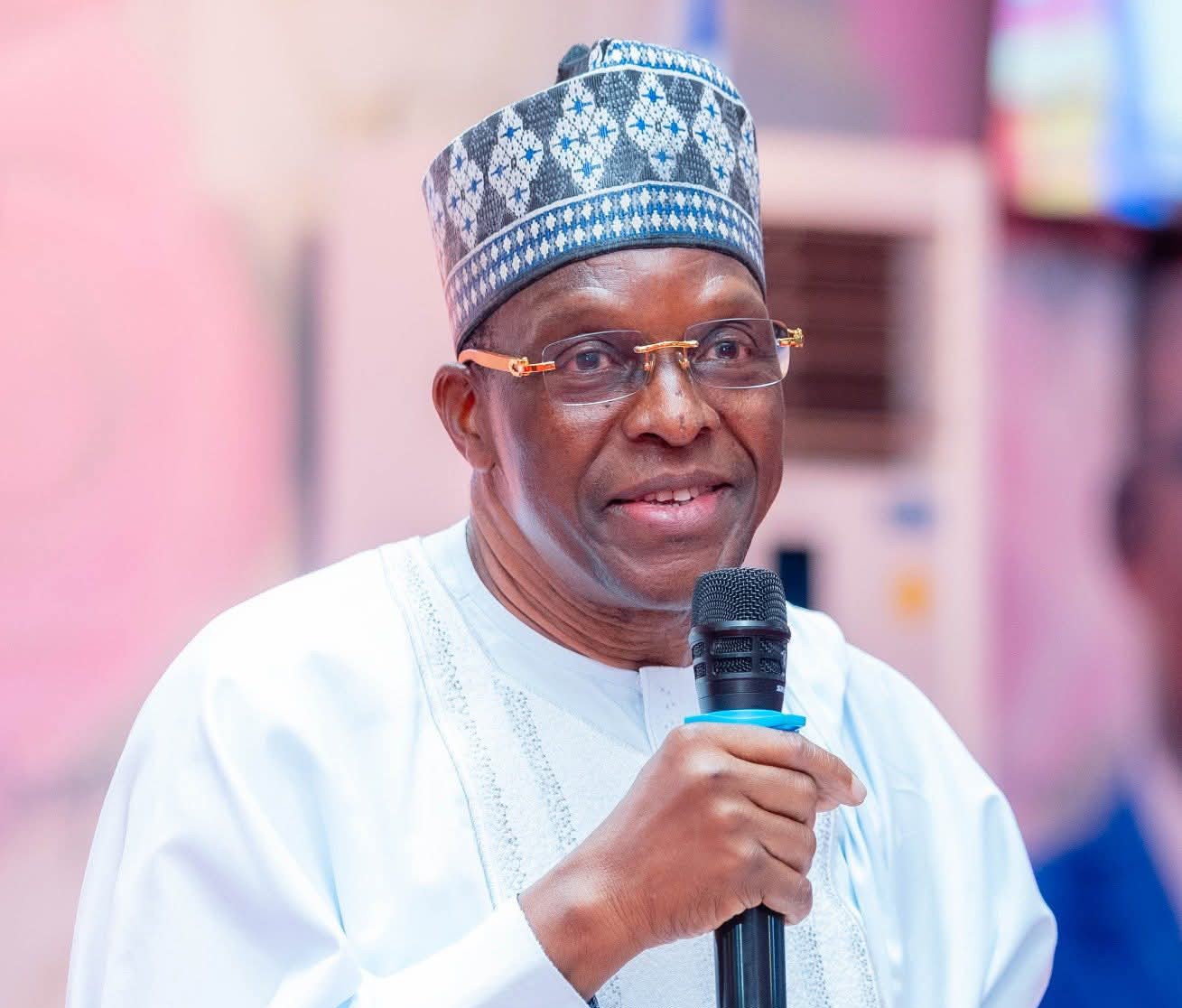
Speaking on behalf of Minority Leader Alexander Afenyo-Markin, the Member of Parliament for Old Tafo, Vincent Ekow Assafuah, called for comprehensive policies to guide capacity-building programmes in response to the increasing complexity of parliamentary work.
“For this network to succeed, there must be sustained investment and relevance,” he said. “The world is changing, and our training must change with it by incorporating digital governance, data literacy, climate policy and inclusive representation.”
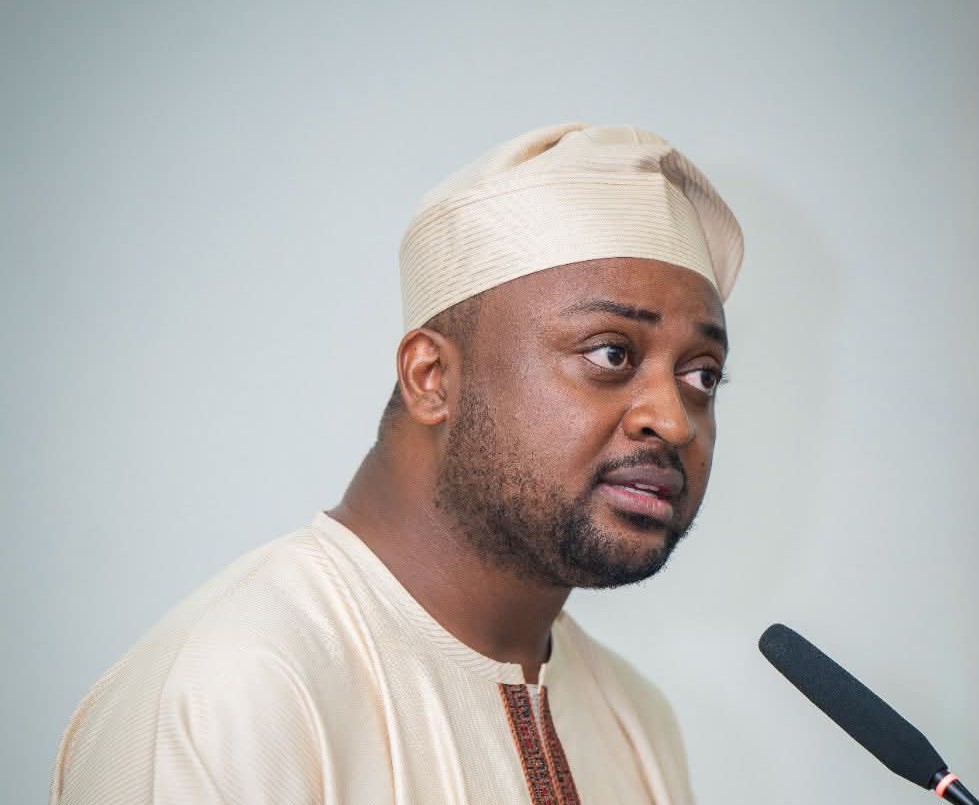 Hon Vincent Asfuah
In his welcome remarks, the Clerk to Parliament, Ebenezer Ahumah Djietror, said the continuous capacity building and professional development of Members of Parliament and staff is fundamental to maintaining public trust in the legislature.
He noted that the network meeting provides a practical platform for institutional learning, sharing parliamentary best practices and developing training programmes that respond to the evolving demands of democratic governance and legislative processes across Africa.
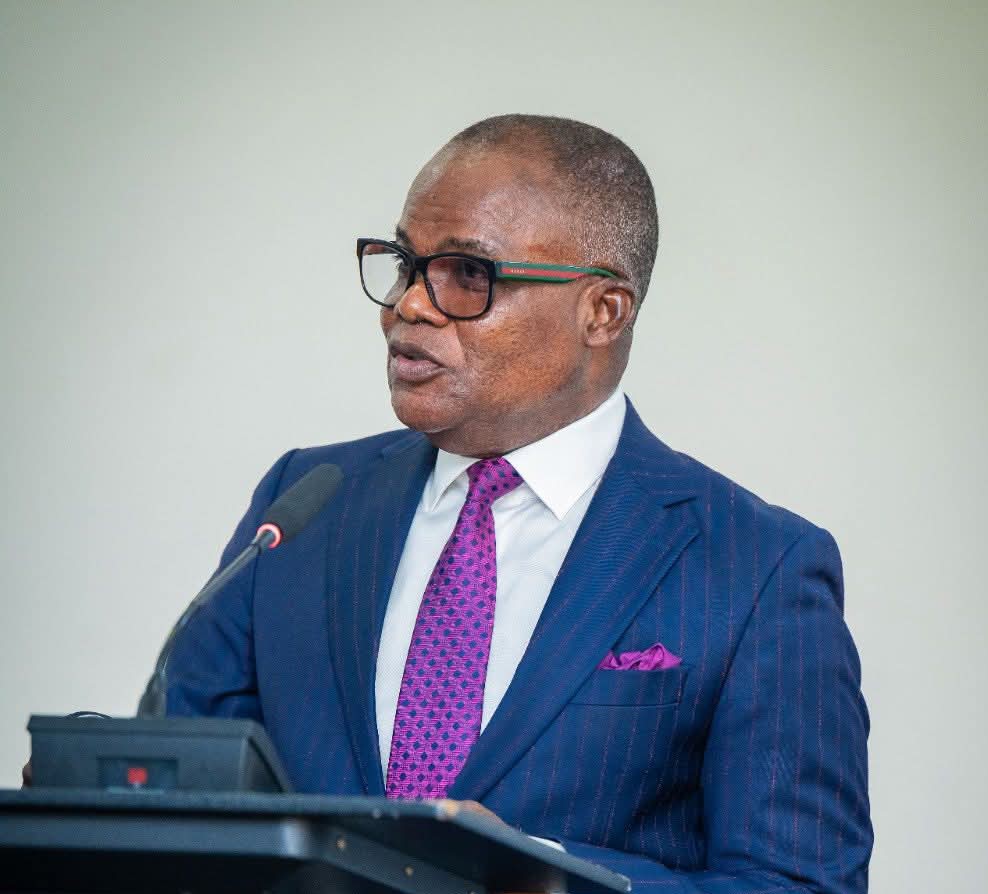
The conference is expected to deepen collaboration among parliamentary institutions and reinforce efforts to build resilient, effective and responsive legislatures.
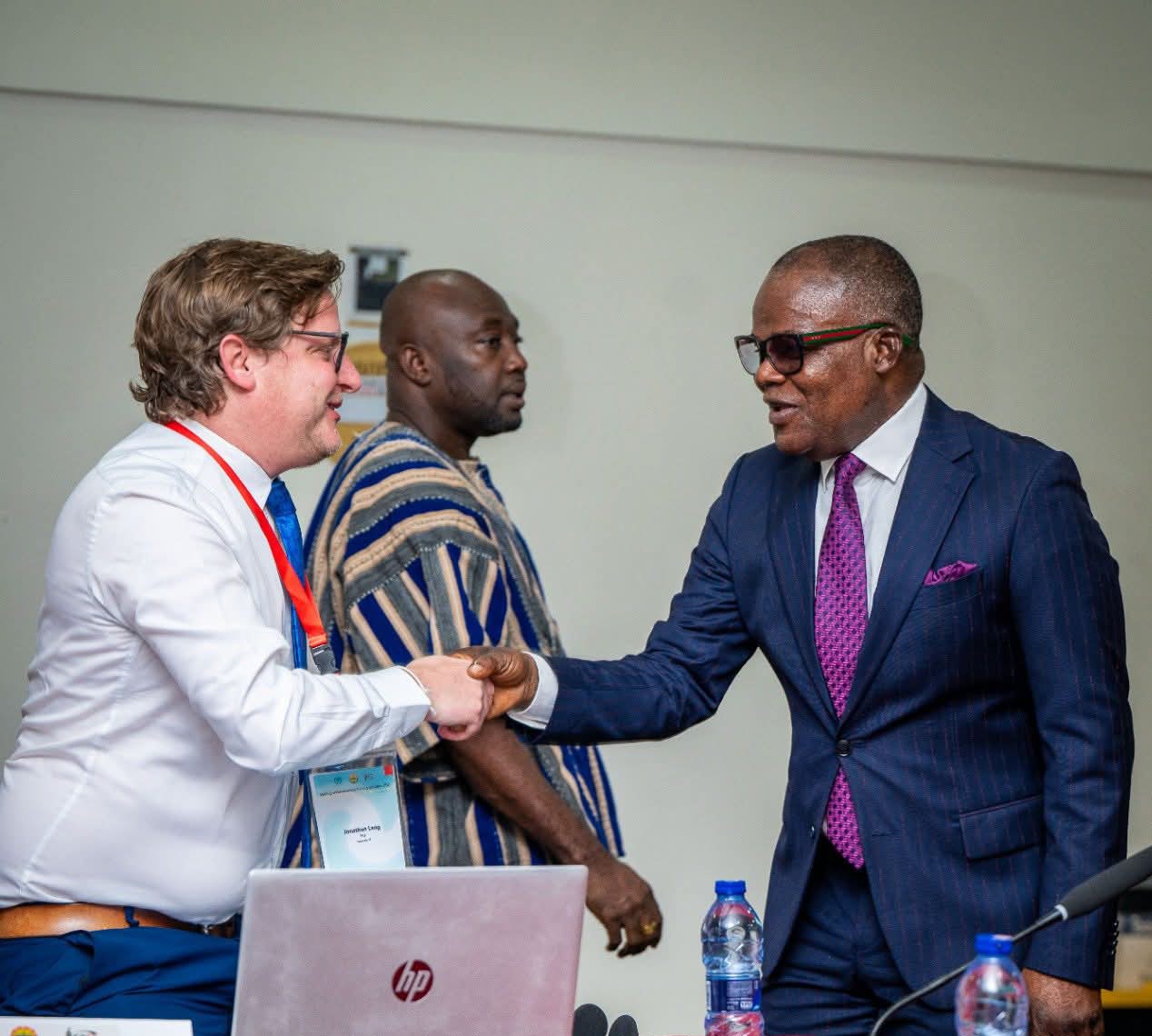

Source: Felix Nyaaba |www. expressnewsghana.com
About Author