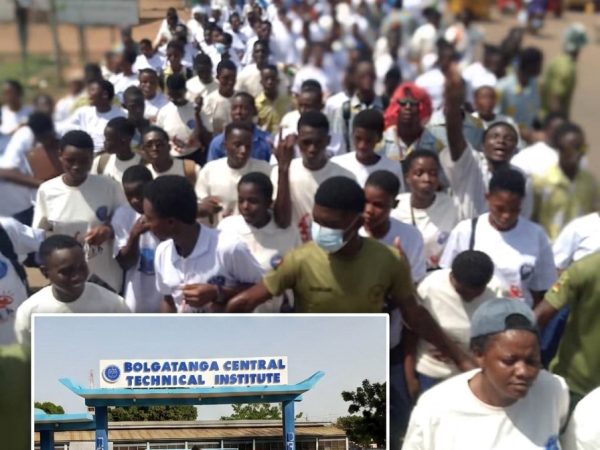


Breaking: Ghana’s Parliament Ends ‘Makola’ Monopoly as Legal Education Reform Bill, 2025 Passes

In a historic move that signals a seismic shift in how lawyers are trained in West Africa, the Parliament of Ghana has today passed the Legal Education Reform Bill, 2025.
This landmark legislation effectively decentralizes professional legal training, moving the exclusive mandate away from the Ghana School of Law (Makola) and allowing accredited universities across the country to prepare students for the Bar.
The passage of the Bill fulfills a long-standing promise to reform a system that many critics labeled as “restrictive” and “outdated.” Under the new framework, the “monopoly” of the Ghana School of Law is dismantled, replaced by a competitive, multi-institutional approach designed to accommodate the thousands of LLB graduates who were previously left “stranded” due to limited space at Makola.
A New Era for Legal Training
The centerpiece of this reform is the establishment of the Council for Legal Education and Training.
This apex body is now tasked with a massive regulatory overhaul. Working alongside the Ghana Tertiary Education Commission, the Council will set the gold standard for university accreditation.
Only institutions that prove they possess world-class library resources—including electronic databases like LexisNexis and Westlaw—and maintain strict student-to-lecturer ratios will be permitted to offer the newly introduced Law Practice Training Course (LPTC).
The Bill introduces a high-stakes environment for institutions. Any university attempting to offer the LPTC without formal accreditation faces severe criminal penalties, including fines of up to 20,000 penalty units or prison sentences for officials ranging from 15 to 20 years.
Standardized National Bar Examination
To ensure that decentralization does not lead to a dip in quality, the Bill replaces the old entrance exams with a rigorous National Bar Examination (NBE).
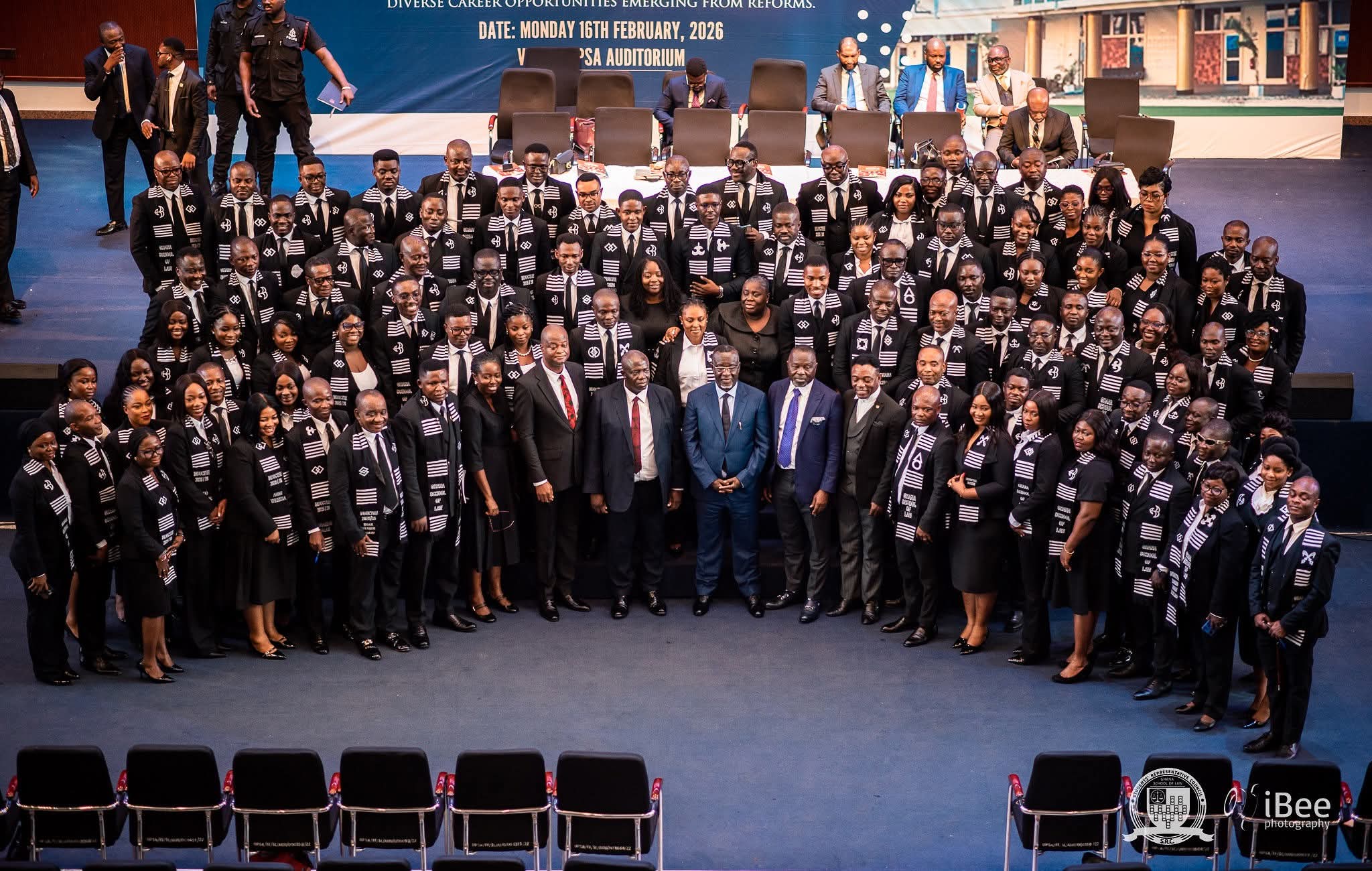
This exam will serve as the ultimate gatekeeper for the profession, testing candidates on practical skills such as Civil and Criminal Procedure, Advocacy, Ethics, and Conveyancing.
Addressing the House today, Majority Leader Mahama Ayariga hailed the Bill as a victory for equity.
“We promised law students that we would deliver reforms to ensure fairness and access. Today, we have delivered. This Bill removes the barriers that have frustrated our young legal minds for decades.”
However, the debate was not without its sparks.
Minority Leader Alexander Afenyo-Markin, while supporting the spirit of the reform, reminded the government of other pending obligations.
”This is not a bill identified with a particular party; all of us have participated. But while we celebrate this, let us also see the same commitment to other critical pledges made to the Ghanaian people.”
Practical Training and Accessibility
Beyond the classroom, the Bill mandates a one-year Law Practice Training period from September to June.
LLB graduates will no longer just sit in lecture halls; they will be required to engage in active law firm clerkships, assist appellate judges, or provide legal services to needy clients.
This “clinical” approach ensures that by the time a candidate sits for the NBE, they have real-world experience.
The Bill also opens doors for diverse applicants. While admission remains competitive, exceptions are carved out for students with excellent WASSCE results and post-degree applicants holding at least a Second Class Lower Division, ensuring that talent is scouted from various academic backgrounds.
With the Bill now headed to the President for assent, the era of “Makola or nothing” has come to a definitive end, paving the way for a more inclusive and modern legal profession in Ghana.
Source: Felix NYAABA/expressnewsghana.com
About Author