
Attacking OSP Authority is ‘Conspiracy’ to Weaken Anti-Corruption Fight- Minority

Ghana’s anti-corruption architecture has come under renewed scrutiny, with the Minority in Parliament alleging a calculated attempt by the governing National Democratic Congress (NDC) to undermine the Office of the Special Prosecutor (OSP).
The caucus says a recent High Court ruling questioning the prosecutorial authority of the OSP is not an isolated legal development but part of a broader, coordinated effort to weaken the institution at the centre of Ghana’s fight against corruption.
Addressing journalists in Parliament on Tuesday, the Member of Parliament for Gushegu, Hassan Tampuli, described the situation as a direct threat to the country’s constitutional order.
“This is not merely a legal contest,” he said. “It is a political reckoning that threatens the integrity of Ghana’s constitutional order.”
The Minority links the unfolding developments to events in late 2025, including the controversial detention of private legal practitioner Martin Kpebu by the OSP.
According to Mr. Tampuli, that episode set off a chain reaction—ranging from calls for the removal of the Special Prosecutor, Kissi Agyebeng, to attempts to repeal the law establishing the office.
He further pointed to a series of petitions filed against the Special Prosecutor, which were dismissed by Chief Justice Paul Baffoe-Bonnie for failing to establish a prima facie case, as evidence of sustained pressure on the anti-graft body.
At the heart of the controversy is the April 15 High Court decision that declared the OSP lacks the constitutional mandate to prosecute criminal cases.

The Minority insists the ruling raises fundamental constitutional questions and argues that such interpretation falls within the exclusive jurisdiction of the Supreme Court of Ghana.
“A High Court cannot nullify an Act of Parliament on constitutional grounds,” Mr. Tampuli asserted.
The caucus also raised concerns about the posture of the Attorney-General in the ongoing legal challenge, alleging that the state’s chief legal officer appears to be siding with arguments against the OSP rather than defending it.
“The Attorney-General has effectively turned against an institution created by Parliament to fight corruption,” he claimed.
The Minority is demanding an immediate appeal of the ruling and a stay of execution to prevent disruption to ongoing prosecutions. It is also calling for an expedited hearing at the Supreme Court to settle the matter conclusively.
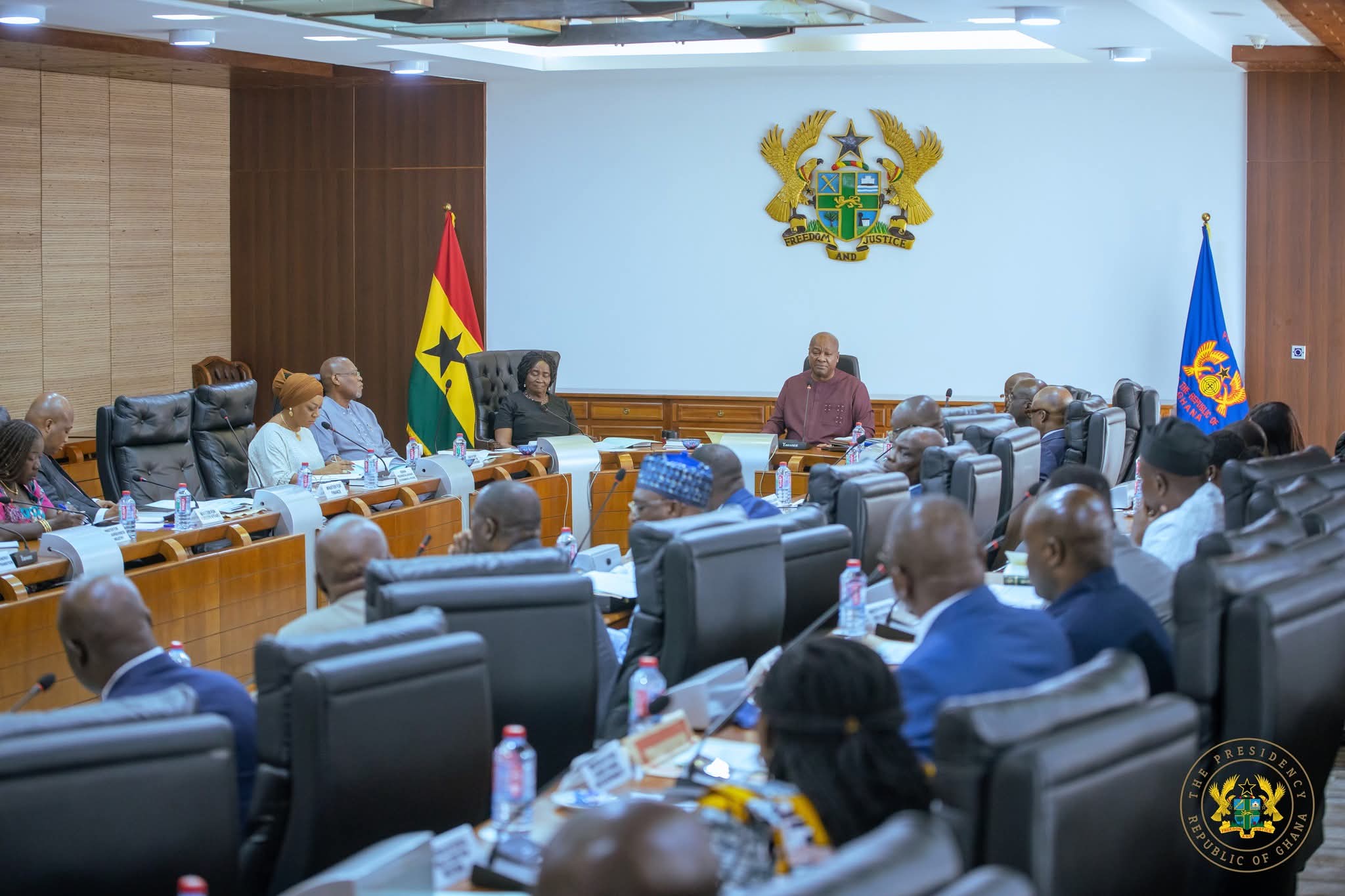
Beyond the courts, the group is urging Parliament to scrutinise the Attorney-General’s conduct and has called on President John Dramani Mahama to state his position clearly.
“The President must choose — does he stand with the OSP or with efforts to dismantle it?” Mr. Tampuli asked.
The Minority warned that any attempt to weaken the OSP risks eroding public confidence in governance and reversing gains made in promoting accountability.
“The OSP was created to ensure independent prosecution of corruption cases. Any attempt to weaken it undermines accountability and public trust,” he said, vowing that the caucus will resist moves to erode the institution.
As the legal and political battle intensifies, the future of one of Ghana’s key anti-corruption bodies now appears set for a decisive test at the highest level of the judiciary.
About Author