The Quiet Force of Leadership: President Mahama’s Tribute to Dr. Samuel Julius Debrah and the Making of a Statesman
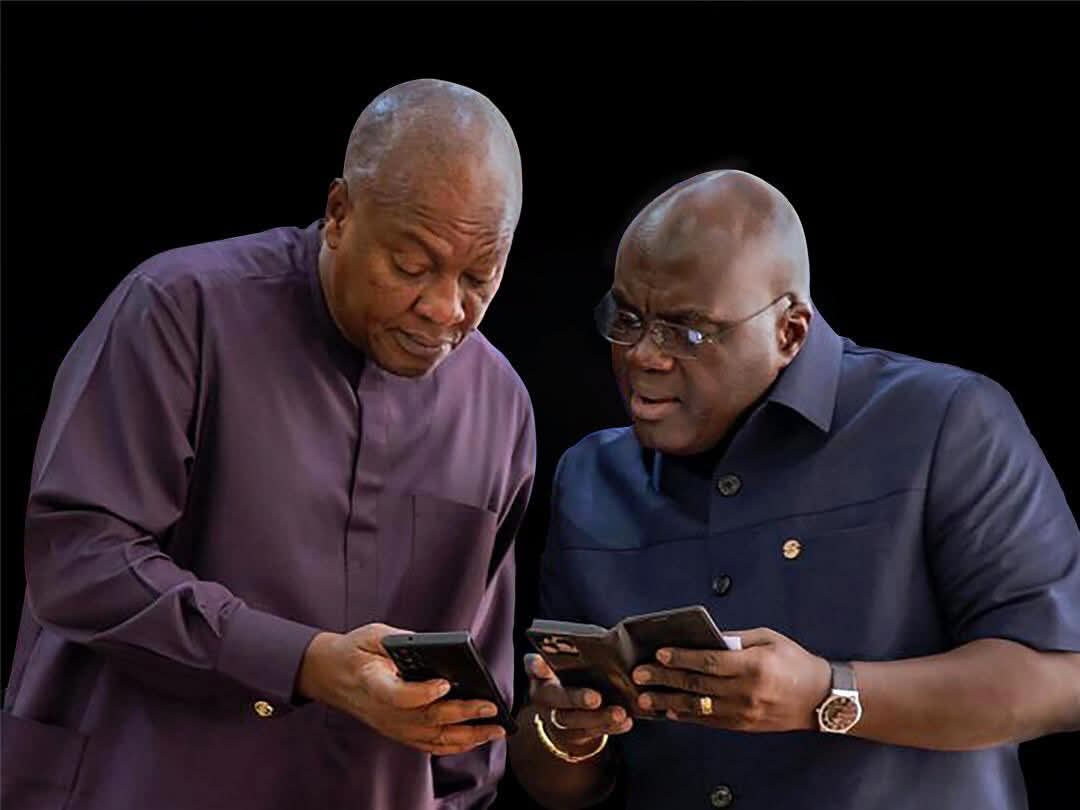
In celebrating his two-time Chief of Staff at 60 on Sunday, April 26, 2026, John Dramani Mahama offered more than birthday platitudes. He delivered a masterclass on loyalty, competence, and the kind of public service that outlives office.
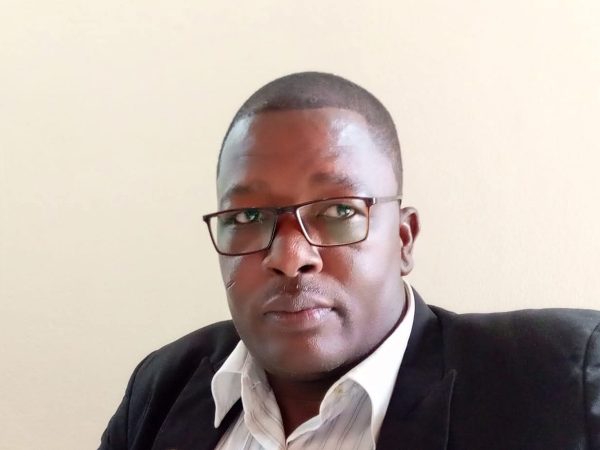
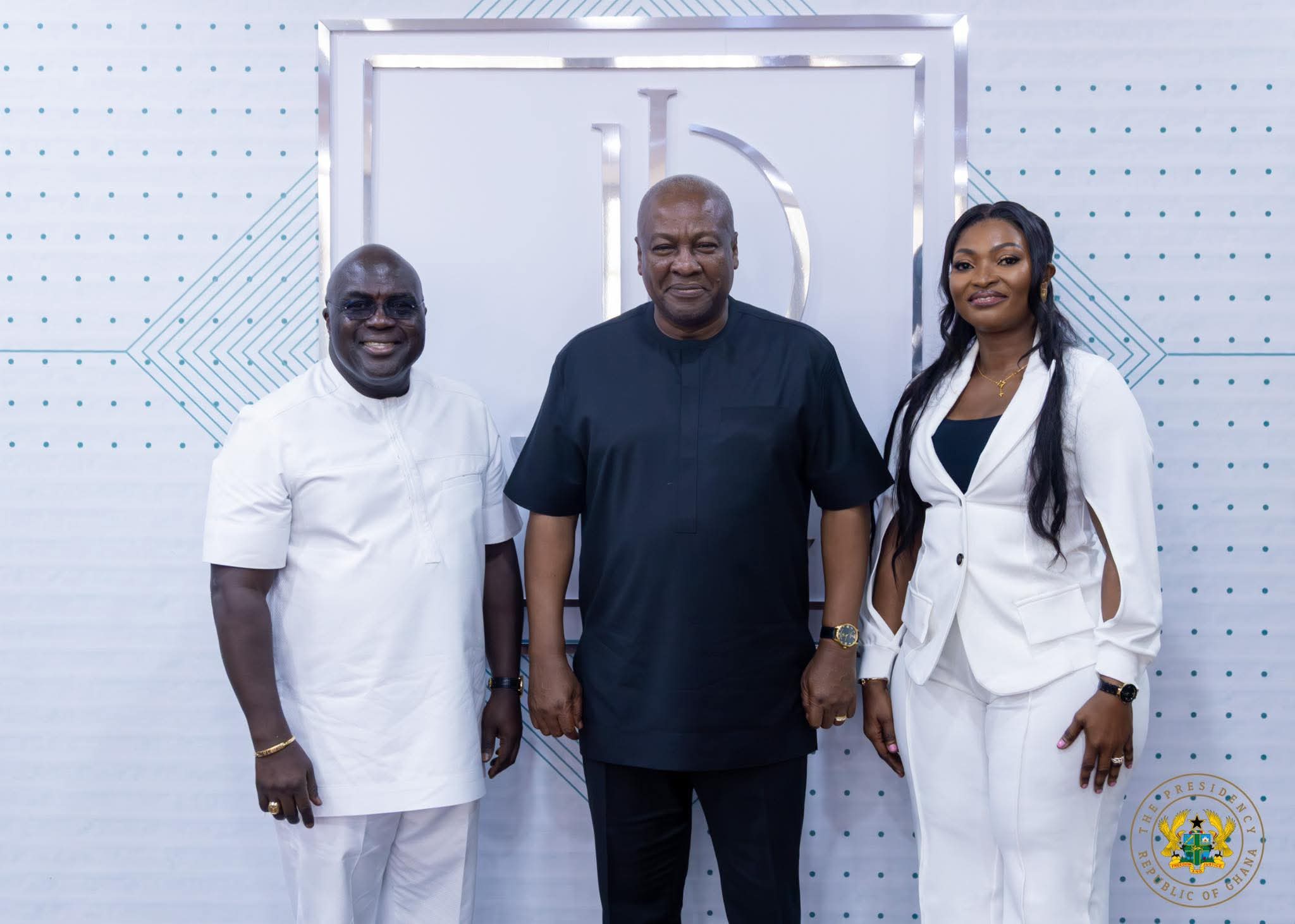
When His Excellency President John Dramani Mahama rose to speak at the 60th Birthday Thanksgiving Service of Honourable Dr. Samuel Julius Debrah on Sunday, April 26, at the Pentecost International Worship Centre (PIWC), Accra, the audience expected warmth. They received something deeper. What the President delivered was not just a birthday message. It was a public leadership audit, a case study in how trust is earned, and a reminder that in governance, character often trumps charisma.
President Mahama’s tribute to his two-time Chief of Staff was deliberate, layered, and revealing. The President spoke of loyalty, kindness and humility – he spoke of efficiency that delivers results in three months; the President spoke of a man who commands respect, not fear. In doing so, he held up a mirror to Ghana’s political class and asked, quietly, what kind of legacy are we building?
The Long View of Trust
The President’s relationship with Dr. Julius Debrah did not begin in the corridors of Jubilee House. It began years earlier in the Eastern Region, when he (Mahama) was serving as the running mate to the then flagbearer (the late Professor John Evans Fiifi Atta-Mills of the National Democratic Congress, at the time Dr. Debrah, was the Eastern Regional Chairman of the party rising party.
Even then, President Mahama recollected, certain qualities were distinctive. “I took note of his calm nature, efficiency and affable friendliness. He commanded the executives in the Eastern Region not because they were afraid of him, but because they respected him.” the President said. That distinction between fear and respect is the heart of the Presiednt’s message. In Ghana’s political ecosystem, authority is often confused with intimidation. Dr. Debrah’s model, as described by the President, is the opposite. He led through credibility. He delivered through competence. And when the time came for national assignments, President Mahama knew exactly who to call.
From Local Government to the Heart of Power
When President Mahama needed results beyond routine administrative work during his previous administration, he turned to Dr. Debrah and appointed him Minister of Local Government. The brief was clear. The President wanted visible, measurable change in the decentralization agenda.
“In three months, anywhere in the country I went, there were street names and house numbers,” President Mahama recounted. That single sentence is perhaps the most powerful performance review any public servant could receive. Street naming and property addressing had been a decades-old policy aspiration. Under Dr. Debrah, it became a national reality in one quarter. The lesson is unmistakable.
Effective governance is not about slogans. It is about execution. Dr. Debrah’s tenure at Local Government proved that with the right leadership, bureaucracy can move quickly, and citizens can see and feel government in their daily lives. It was that track record that made the next appointment almost inevitable. “When the need arose to appoint a Chief of Staff, choosing Dr. Debrah was easy because of his proven loyalty and competence,” President Mahama said.
Chief of Staff, Twice
Dr. Samuel Julius Debrah has now served as Chief of Staff to the President on two occasions, a rare distinction in Ghana’s Fourth Republic. The role is arguably the most demanding in the Executive. The Chief of Staff is gatekeeper, coordinator, crisis manager, and the President’s first line of political and administrative counsel. To be asked to do it once is a vote of confidence. To be asked twice is a statement of indispensable trust. President Mahama’s remarks explain why. He cited loyalty that never wavered, efficiency that was tested under pressure, and a humility that kept the office accessible.
In an era where the Chief of Staff’s office is often viewed through the lens of power and patronage, Dr. Debrah’s model, as painted by the first gentleman of the land, is instructive. He brought calm to the presidency. He brought order to the cabinet process. He brought a human touch to an office that can easily become insular. Vice President Professor Jane Naana Opoku-Agyemang, senior government officials, the clergy, family and well-wishers who gathered at PIWC heard a President publicly validate the ethic of service over self. In doing so, President Mahama elevated the birthday into a national civics lesson.
A Good Name Over Office
The most enduring line from President Mahama’s tribute was philosophical. He said Dr. Debrah’s life and public service reflected the importance of building a good name, highlighting how legacy outlived position, wealth and status. That is a counter-cultural message in a political environment often driven by accumulation and title. President Mahama used Dr. Debrah’s 60th to argue that history remembers how you served, not what you held. A ministerial portfolio ends. A Chief of Staff’s tenure expires. But a reputation for fairness, for delivering results, for treating people with dignity, that becomes the permanent record. It is no coincidence that President Mahama emphasized “kindness” alongside “efficiency”. The pairing is intentional. It suggests that competence without compassion is incomplete, and that compassion without competence is unsustainable. Dr. Julius Debrah, in President Mahama’s telling, married both.
The Debrah Doctrine: Respect, Not Fear
If there is a Debrah Doctrine to be distilled from the President’s remarks, it rests on three pillars. First, command respect, not fear. Fear produces compliance when you are watching. Respect produces commitment when you are not. The street naming success was not coerced. It was coordinated through a leadership style that brought regional and district actors along.
Second, deliver quickly and visibly. The three-month turnaround on street naming is the kind of metric that restores public faith in government. Citizens do not experience GDP growth rates. They experience house numbers, working street lights, and responsive local assemblies. Dr. Debrah understood that.
Third, remain loyal to the institution and the mission. President Mahama’s reference to loyalty was not about personal allegiance. It was about fidelity to the work, to the President’s agenda, and to the country. That is why he could be trusted twice with the engine room of the presidency.
Why This Matters Now
The President’s tribute lands at a moment when Ghanaians are demanding more from public office. The economy is stabilizing, but trust in institutions remains fragile. Young people are asking whether politics can still be a noble vocation. In that context, the President’s decision to spotlight Dr. Debrah’s attributes is strategic – He is signaling the type of public servant he values as he governs; he is telling his appointees that the path to influence runs through humility, hard work, and results; he is telling citizens that good people still exist in government, and that their work should be acknowledged while they can still hear the applause. The presence of Vice President Opoku-Agyemang and senior officials at the service reinforced the point. This was not a private celebration. It was a public endorsement of a standard.
The Man Beyond the Office
Those who know Dr. Samuel Julius Debrah describe a man of deep faith, generosity, and quiet philanthropy. President Mahama’s reference to his “efficiency, hardworking nature, and generosity” aligns with accounts of Dr. Debrah’s support for education, health, and community projects, often without fanfare. The Thanksgiving Service venue itself was telling. PIWC is not a political stage. It is a place of worship. Dr. Debrah’s choice to mark 60 years there (a church that he is a member), and the President’s willingness to speak to legacy and good name in that setting, frames public service as a moral undertaking, not just a political one.
A Legacy in Real Time
At 60, Dr. Samuel Julius Debrah is not retiring from public life. He is serving as Chief of Staff for the second time. That makes President Mahama’s tribute unique. It is not a valedictory. It is a mid-term review, delivered live, before the nation. The President has essentially said: Here is the standard. Here is the man who meets it. Here is what it looks like when loyalty, competence, and humility converge in one public servant. For aspiring politicians, the message is clear. Build a name, not just a network. For current appointees, the bar has been set. For citizens, there is reassurance that the presidency knows the difference between noise and substance.
Conclusion: The Politics of Character
President John Dramani Mahama could have offered a generic birthday wish to his loyal friend and brother. He chose instead to teach. By chronicling how he first noticed Dr. Debrah, why he appointed him to Local Government, what he achieved in three months, and why he became Chief of Staff twice, the President gave Ghanaians a blueprint for evaluating leadership.
In a democracy, we often debate policies. We rarely debate character with the same rigour. President Mahama’s tribute to Dr. Julius Debrah corrects that imbalance. It argues that who we are is as important as what we do, and that in the long arc of governance, a good name is the only currency that appreciates with time.
As the congregation at PIWC sang and the well-wishers filed out, the real takeaway was not that Dr. Julius Debrah turned 60. It was that Ghana had been given a portrait of public service worth emulating. And that, perhaps, was President Mahama’s greatest gift to the nation on that Sunday in Accra
Source; Innocent Samuel Appiah
About Author