
Government Pays US$700 Million Eurobond Debt Ahead of Schedule, Signals Stronger Fiscal Recovery
The Government of Ghana has fully settled a US$700 million Eurobond debt obligation ahead of schedule, marking another significant step in the country’s ongoing debt restructuring and efforts to restore investor confidence.
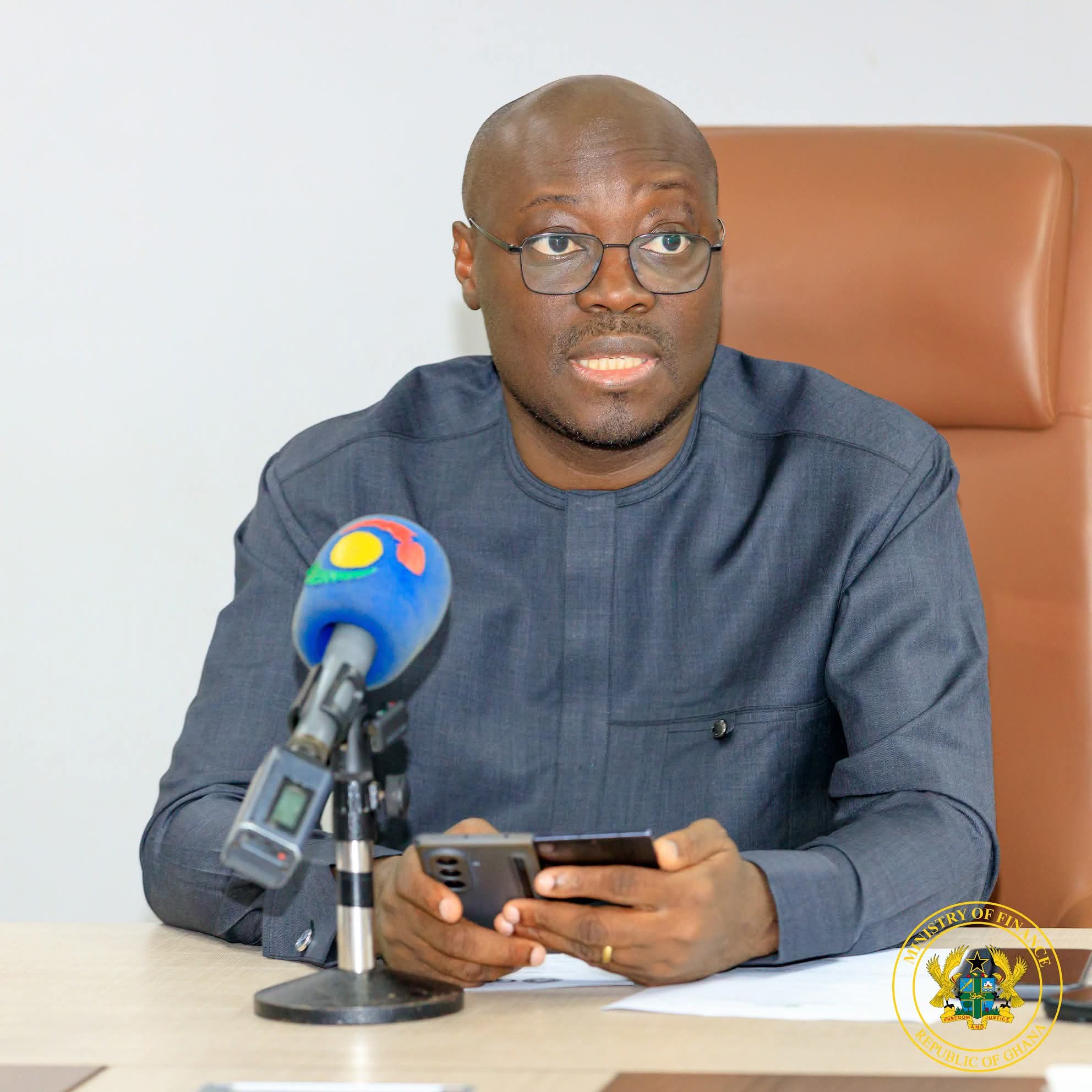
In a statement issued on Monday, July 6, 2026, the Ministry of Finance announced that the payment was successfully completed on Thursday, July 2, 2026, under the country’s Eurobond Debt Exchange Programme.
According to the Ministry, the payment comprised US$525.2 million in principal repayments and US$174.8 million in interest payments, bringing Ghana’s total payments to Eurobond holders to US$2.1 billion since January 2025.
“With this latest payment, Ghana has paid a total of US$2.1 billion to Eurobond holders since January 2025, in accordance with the terms of the Eurobond Debt Exchange Programme,” the Ministry stated.
The government indicated that the settlement was executed through planned financing arrangements without placing undue pressure on Ghana’s foreign exchange reserves.
The Ministry said the early repayment reduces the country’s outstanding Eurobond debt, strengthens investor confidence, and demonstrates government’s commitment to prudent debt management and macroeconomic stability.
“The settlement reduces Ghana’s outstanding Eurobond debt, strengthens investor confidence, and demonstrates the Government’s commitment to prudent debt management and macroeconomic stability,” the statement added.
It further assured that the government would continue implementing sound public financial management policies to ensure the timely servicing of all debt obligations.
The Ministry also expressed appreciation to Ghanaians for their patience and support throughout the country’s economic recovery efforts.
*Ghana’s Eurobond Journey: 2017–2024*
Ghana has relied heavily on the international capital market to finance infrastructure, budget deficits, and economic development through Eurobond issuances.
2017: Ghana returned to the international market with a US$2.25 billion Eurobond comprising 7-year and 15-year maturities.
2018: The government issued another US$2 billion Eurobond, including a landmark 30-year bond—the longest sovereign bond issued by an African country at the time.

2019: Ghana raised US$3 billion through a three-tranche Eurobond to refinance existing debt and fund budgetary needs.
2020: Despite the COVID-19 pandemic, Ghana postponed planned borrowing as global markets became volatile.
2021: Ghana issued a record US$3 billion Eurobond in four tranches amid rising fiscal pressures.
2022: Access to international capital markets effectively closed following Ghana’s worsening debt situation, leading to the country’s decision to suspend external debt payments and seek assistance from the IMF.
2023: Ghana reached agreements with official creditors and later secured approval from Eurobond holders for a comprehensive debt restructuring programme.
2024: The Eurobond Debt Exchange Programme became effective, restructuring approximately US$13 billion in Eurobond debt with extended maturities and reduced debt-service obligations.
A Turning Point
The latest US$700 million payment is expected to reinforce Ghana’s credibility in international financial markets as the country continues implementing reforms under the IMF-supported programme.
Analysts say maintaining timely debt servicing while protecting foreign exchange reserves will be crucial to Ghana’s efforts to regain full access to international capital markets and sustain macroeconomic stability in the years ahead.
Source: Felix NYAABA//expressnewsghana.com
About Author