

Queen mothers Call on Dr. Zanetor, Raise Alarms over Security and Cultural Erosion

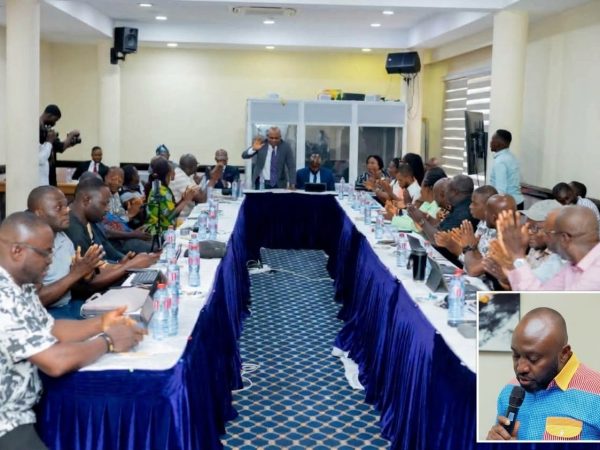
Queen mothers from across the country, under the umbrella of the All Region Queen mothers Association of Ghana, have paid a courtesy call on Dr. Zanetor Agyeman-Rawlings, Chairperson of the Parliamentary Select Committee on Defence and Interior, to present pressing concerns relating to national security, youth development, cultural erosion, and gender inclusion.
The high-level engagement, held at the Parliament of Ghana, brought together traditional female leaders from various regions, including the Northern, Savannah, Oti, Volta, and Greater Accra regions. The Queen mothers highlighted a range of challenges confronting their communities, particularly the increasing marginalization of Queen mothers in peace building efforts, the growing threat of youth drug abuse, and a gradual breakdown of traditional values within the chieftaincy institution.
One of the key issues raised was the systematic exclusion of Queen mothers from conflict resolution and national peace building structures. Citing the rising use of drugs among the youth and increased incidents of violence, the delegation expressed concern over the lack of support for traditional female leaders who are often at the front line of community mediation and youth mentorship.
A central point of discussion was the erosion of cultural norms in chieftaincy practices. Several Queen mothers decried the shift from lineage-based enstoolment to wealth-driven selections, warning that such practices are undermining traditional legitimacy and fostering tension within communities. Those who speak against these developments, they noted, often face threats of destoolment.

In illustrating the peace building potential of Queen mothers, the delegation cited the long-standing land dispute between Nkonya and Alavanyo, where Queen mothers played a crucial role in fostering dialogue after other channels had failed. Through their community trust and moral authority, they contributed significantly to sustaining the relative peace currently enjoyed in the area.
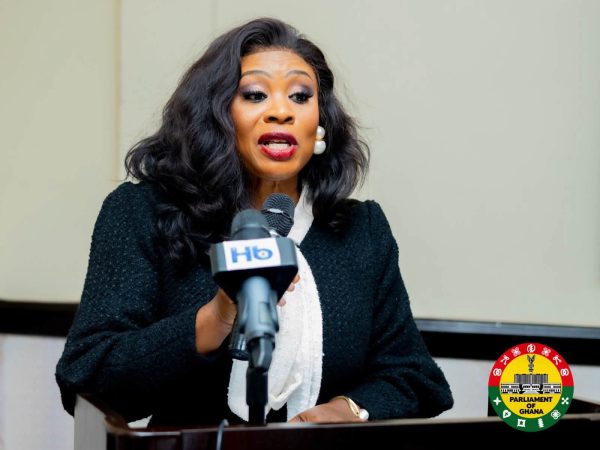
Responding to the concerns, Dr. Zanetor Agyeman-Rawlings acknowledged the vital role Queen mothers play in ensuring community stability and national cohesion. She emphasized that many local conflicts in Ghana stem from unresolved chieftaincy disputes and called for greater inclusion of women in peace and security matters.
“If women are excluded from decision-making in peace processes, we will never fully achieve sustainable peace,” she stated. Dr. Agyeman-Rawlings referenced United Nations Security Council Resolution 1325, which underscores the importance of women’s participation in conflict prevention and peace building, affirming that the presence of the Queen mothers was not only relevant but crucial to Ghana’s national security discourse.

The Queen mothers also expressed concern about the increasing use of marijuana and other substances by young people, urging the reinforcement of local police stations and the creation of more economic opportunities to keep the youth engaged and away from harmful practices.
“Our communities are losing their youth to drugs. We need jobs and proactive youth engagement to reverse this trend,” one Queen mother from the Northern Region lamented.

The delegation also appealed for economic empowerment for themselves and young people in their areas. They renewed calls for the establishment of the long-promised Women’s Bank, a government initiative intended to offer financial support to women-led enterprises and community development efforts.
In addition, the Queen mothers called for improved healthcare infrastructure in rural and peri-urban communities, especially for maternal and child health. “Our women are giving birth without access to trained staff or proper facilities. We need well-equipped clinics in our communities,” they urged.
Dr. Agyeman-Rawlings pledged her continued support and referenced Article 277 of the 1992 Constitution, which defines a chief not by gender, but by role and status. “Queen mothers are chiefs too, and the Constitution supports that. Your authority must be recognized and respected accordingly,” she affirmed.
While advocating for increased female representation, she stressed the importance of collaboration between male and female traditional leaders. “We must pursue equity and ultimately equality—this is how we build a strong, inclusive nation,” she said.

The Queen mothers left the meeting encouraged and reaffirmed their commitment to working with Parliament and other stakeholders to ensure that traditional female leadership is recognized, respected, and integrated into Ghana’s peace and security architecture.
The engagement marks a significant step in bridging the gap between tradition and governance, and highlights the vital role of women in promoting national development and social cohesion.

About Author