

Sunyani MCE Targets 8-Month Completion of Key Development Projects
—-Promises to boost in education, health, water, and roads
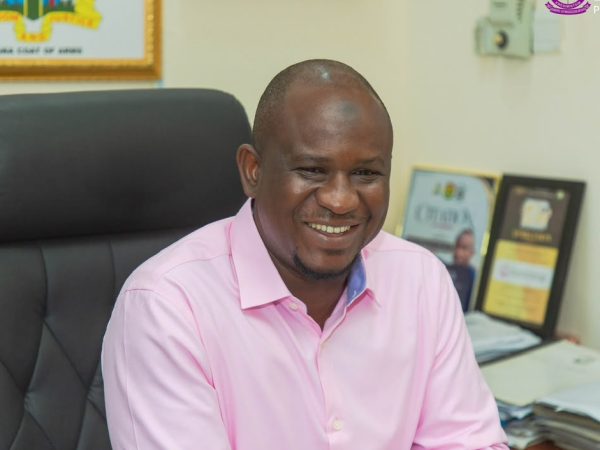
The Municipal Chief Executive (MCE) for Sunyani, Vincent Antwi Agyei, has unveiled an ambitious eight-month plan to complete six major infrastructure projects aimed at accelerating socio-economic development in the municipality under the new NDC administration.
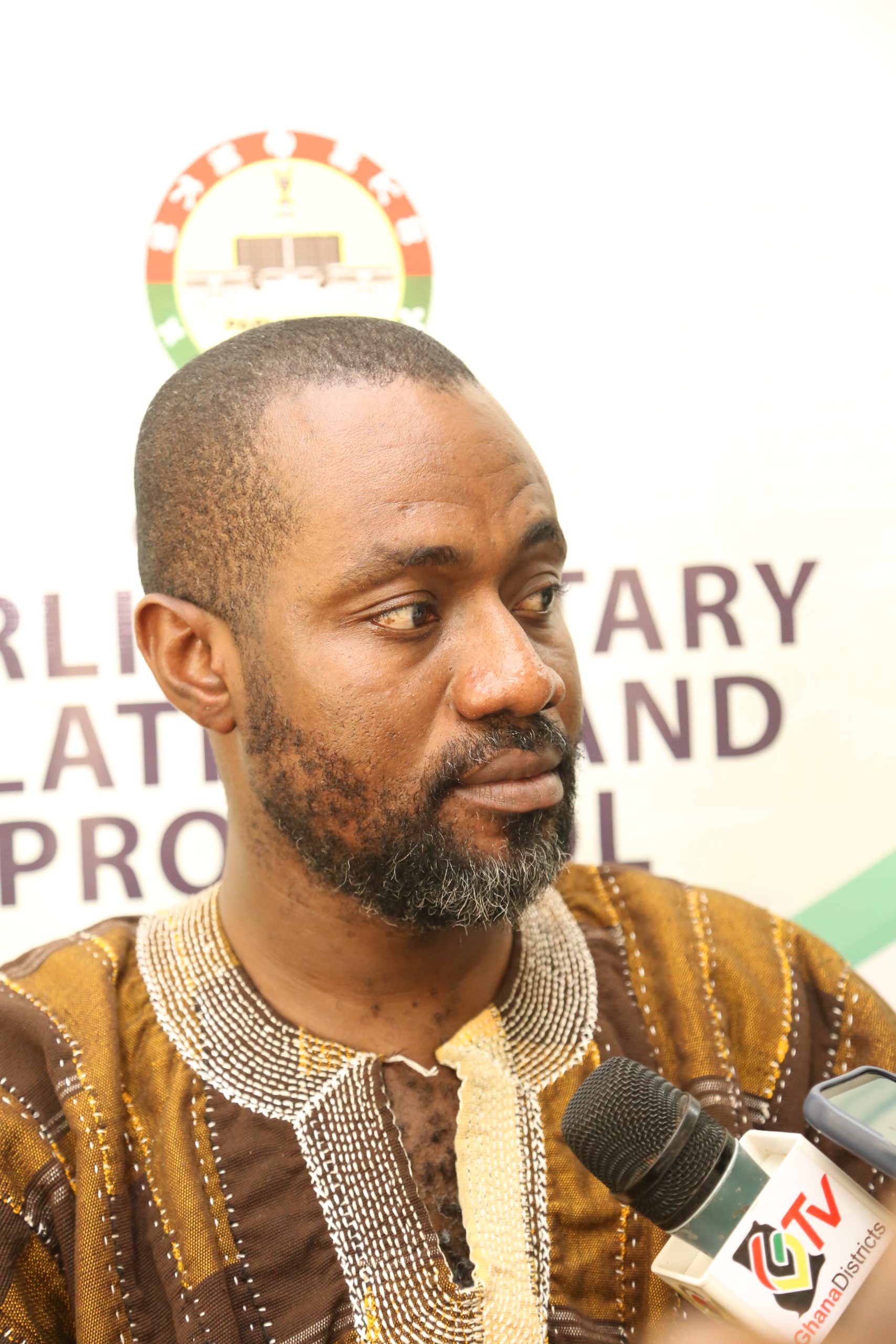
Speaking in an interview, Mr. Agyei said the Sunyani Municipal Assembly has finalized tender processes and is awaiting final approval from the Regional Coordinating Council (RCC) to commence construction.
“We are almost through with the tender process. Any project beyond GH₵500,000 requires regional approval. We’ve completed evaluations and forwarded all documents to the RCC. Once approval is granted, we’ll cut the sod for all six projects and expect completion within eight months,” he stated.
Boost for Education and Health Infrastructure
Out of the six projects, three will focus on educational infrastructure — including a three-unit classroom block at Yaa Nyamere, a kindergarten block at Tanaano, and another classroom project at Asufufu.
In the health sector, the MCE announced that a new health centre at Baaku ne Aba is already under construction, while another will soon begin at Kosuame Number 2 to improve access to basic healthcare in rural communities.
Expanding Access to Clean Water
Mr. Agyei also disclosed that the Assembly has initiated 15 water supply projects, comprising 10 mechanized boreholes and five hand-pump systems to serve communities without access to the national electricity grid.
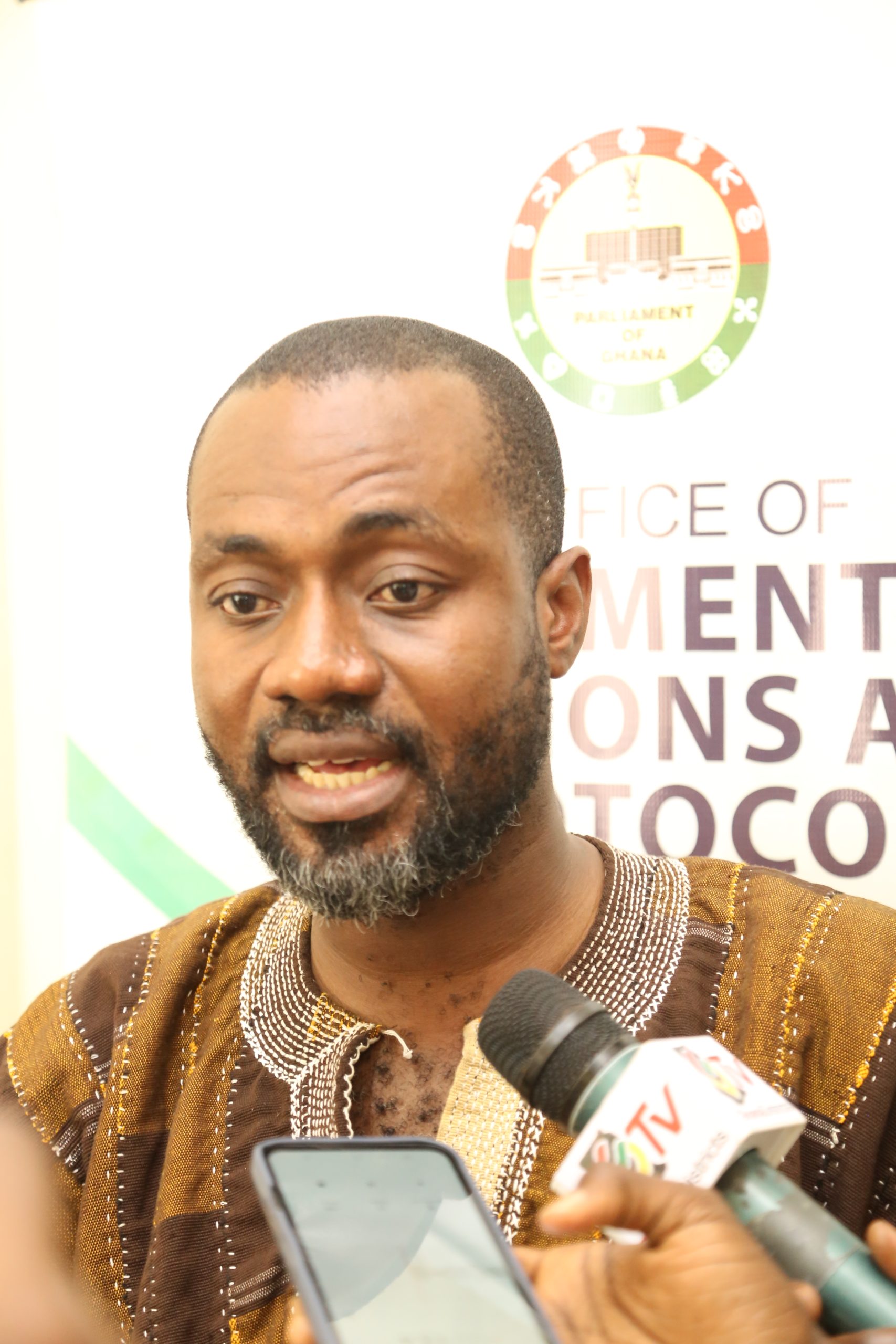
“These hand-pump systems are more sustainable in areas not connected to electricity,” he explained.
He added that the municipality has so far received GH₵7 million under the District Assemblies Common Fund (DACF) — GH₵2.8 million in the first quarter and GH₵4.7 million in the second — which are being channelled into priority projects in line with national development guidelines.
Roads and Infrastructure Development
Touching on road rehabilitation, Mr. Agyei revealed that the Assembly has commenced reshaping works on several feeder roads, including the Sunyani–Baaku ne Aba road, which is being prepared for asphalting.
He assured that other roads within the municipality will also receive attention to enhance transportation and economic activity.
Supporting Businesses and Farmers
The MCE further announced a collaboration between the Assembly and MASLOC to extend financial assistance to women and small and medium enterprises (SMEs).
With about 40 percent of Sunyani’s population engaged in farming, discussions are also underway with the Agricultural Development Bank (ADB) to facilitate access to group loans for smallholder farmers.
“We’re exploring mechanisms for farmers to access credit with collective guarantees since many operate on a small scale. This will boost productivity and strengthen the agricultural value chain,” he said.
Tackling Challenges and Setting a Legacy
Mr. Agyei cited poor road networks and limited financial access for SMEs as key challenges, noting that the Assembly is partnering with development agencies to address these constraints.
He also revealed that two mechanized water systems at Atronie and Awotwiman have been successfully completed using Internally Generated Funds (IGF) — a milestone he intends to expand upon.
“We have streamlined our expenditure to free up IGF for development projects. I want to be remembered as the first MCE to use IGF to finance major initiatives,” he affirmed.
The MCE also disclosed plans to establish a modern recreational centre in Sunyani through a public-private partnership, noting that the municipality currently lacks a proper leisure facility.
“We’re engaging private investors to develop a recreational centre on available public land. I want to leave behind landmark projects that truly transform Sunyani,” he emphasized.
Sunyani, the regional capital of the Bono Region, has an estimated population of 220,000, with about 35–40 percent engaged in agriculture. The municipality encompasses over 120 communities, most of which depend on farming and small-scale enterprises as their main sources of livelihood.
Source: Felix Nyaaba/expressnewsghana.com
About Author