
Berekum East MCE Leads Tree-Planting Drive to Boost Livelihoods and Climate Action

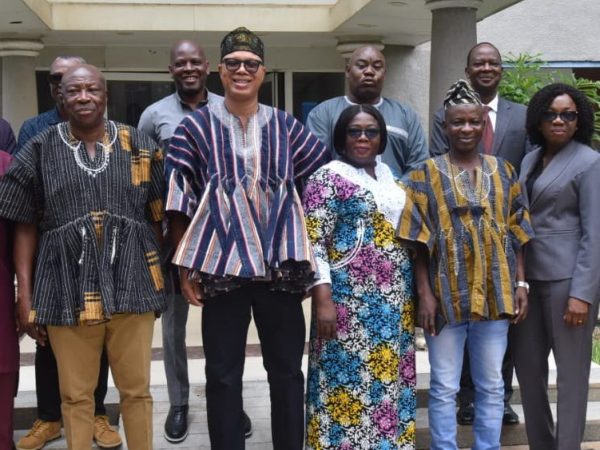
The Municipal Chief Executive (MCE) for Berekum East in the Bono Region, Hajia Fati Abubakar, has reaffirmed her commitment to intensifying tree-planting initiatives across the municipality as part of a broader strategy to protect the environment, mitigate climate change, and improve local livelihoods.
Speaking after receiving 20,000 coconut seedlings from the Coconut Federation of Ghana for distribution to farmers, Hajia Abubakar said the intervention will help restore greenery, support environmental conservation, and create sustainable income opportunities—especially for young people.
“Tree planting is not just about the environment—it’s about investing in our people and our future,” she said. “When we plant trees, we create jobs, protect our water sources, and make our communities cooler and more beautiful. The benefits of tree planting are both local and long-lasting.”
She noted that in Berekum East, where rising temperatures and erratic rainfall patterns have become more frequent, tree planting remains one of the most practical ways to adapt to climate change.
According to her, trees absorb carbon dioxide, release oxygen, and help reduce pollution while providing shade to lower urban heat. They also prevent soil erosion and flooding, particularly during the heavy rains common in the Bono Region.
The MCE further outlined how the tree-planting initiative aligns with the municipality’s economic development agenda, highlighting opportunities in: Agroforestry and fruit production, including mango, orange, and coconut trees; Timber and non-timber value chains for local industries; and Green jobs in nursery management, landscaping, and environmental education.
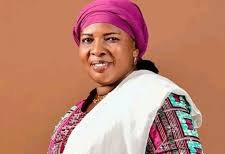
“These initiatives empower youth and community groups while strengthening our resilience against climate shocks,” she added.
Hajia Abubakar recently participated in a climate change workshop at Parliament House in Accra, organized by Climate Communication and Local Governance Africa (CCLG-Africa). The workshop aimed to raise awareness about the effects of climate change and promote resilience-building at the district and community levels.
Building a Greener Future
Ghana’s ongoing Green Ghana Project has led to the planting of millions of trees nationwide. However, experts note that maintaining high survival rates of seedlings remains a challenge.
Environmental consultant Daniel Adu emphasized the importance of planting the right species in suitable locations to maximize ecological and social benefits.
“Agroforestry experts recommend native or non-invasive tree species because they support biodiversity and local ecosystems,” Mr. Adu explained. “Exotic trees like eucalyptus can be beneficial but must be managed carefully to avoid affecting water resources.”
He added that foresters are increasingly prioritizing drought-resistant and climate-adapted species to ensure sustainability.
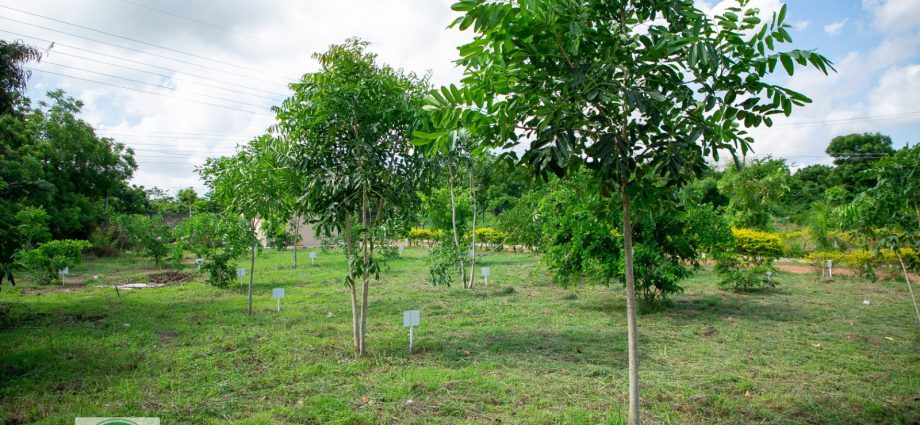
“We need to grow trees that are right not only for today but for tomorrow’s climate,” he said, noting that research has shown reforestation efforts can enhance rainfall and improve water availability over time.
Local Action, National Impact
The Berekum East initiative underscores a growing recognition among local governments that environmental restoration is central to achieving sustainable development and climate resilience.
With strong community participation and private-sector collaboration, the MCE’s campaign aims to position Berekum East as a model of environmental leadership within the Bono Region.
As Hajia Fati Abubakar succinctly put it,“Every tree we plant today brings us one step closer to a greener, cleaner, and more prosperous Berekum East.”
Would you like me to format it for a newspaper layout (with dateline, lead paragraph, and byline) or for an online news portal (with SEO-friendly headline and subhead)?
Source: Felix Nyaaba/expressnewsghana.com
About Author