
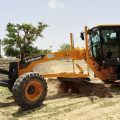

Galamsey-Induced Soil Degradation And Climate Change

Illegal mining leaves behind vast expanses of scarred land—stripped of topsoil, pitted with trenches, and unable to support plant life. These barren lands reflect heat differently, often creating localized warming effects. Furthermore, degraded soils release stored carbon into the atmosphere when organic matter is disturbed.
Over time, the widespread loss of fertile soil from galamsey operations contributes to both regional temperature increases and a reduction in agricultural productivity. This soil degradation fuels a cycle where communities are forced to exploit more land, increasing deforestation and further driving climate change.
The removal of topsoil also reduces the land’s ability to retain moisture. Without this natural sponge effect, rainfall runs off quickly, increasing erosion and reducing water infiltration into underground reserves. Over time, groundwater levels drop, making communities more dependent on erratic rainfall.
Galamsey often replaces fertile farmland with unusable pits and polluted pools of water. This reduces local food production and pushes farmers to clear new forest areas for cultivation, further worsening deforestation. The agricultural expansion needed to replace lost land often accelerates carbon emissions through slash-and-burn practices.
In many cases, the abandoned pits left by galamsey fill with stagnant water, becoming breeding grounds for disease-carrying mosquitoes. This creates public health challenges that strain resources, making it harder for communities to adapt to climate stresses. Climate change then amplifies these health risks by extending the warm, wet seasons mosquitoes thrive in.
Credit: Samuel Tano
Editor (Express News Ghana)
About Author