
Article 146 Committee Submits Report on Petitions against CJTorkornoo to Prez Mahama

The independent five-member committee established by President John Dramani Mahama to investigate petitions seeking the removal of the Chief Justice, Her Ladyship Gertrude Araba Esaaba Sackey Torkornoo, has presented its first report to the Presidency.
The submission was made at a brief ceremony at the Jubilee House on Monday, September 1, 2025.
The committee, chaired by Supreme Court Judge Justice Gabriel Scott Pwamang, also includes Justice Asiedu and three eminent persons who are not lawyers, in line with the requirements of Article 146 of the 1992 Constitution.
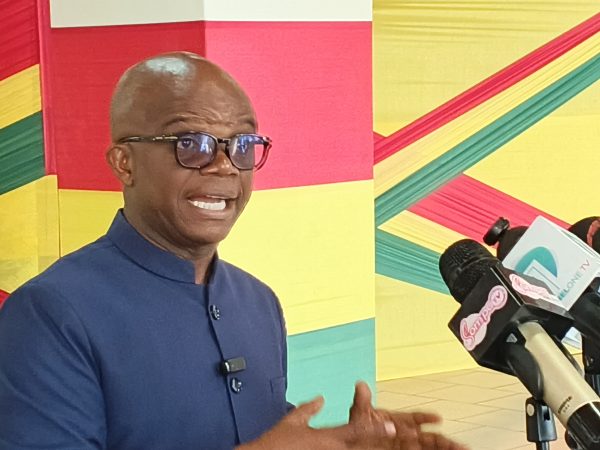
In his remarks, Justice Pwamang disclosed that the committee had completed its work on the first petition, filed by Mr. Daniel Ofori, and had submitted its findings and recommendations to the President in a sealed envelope.
He explained that the committee sat in camera proceedings, as mandated by Article 146(7), stressing that while proceedings are not open to the public, they are not “secret” and limited procedural updates could be shared without prejudice to the process.

“We conducted our work with utmost diligence and fairness, despite the many false public claims about our integrity and the nature of our work,” he stated.
Details of the First Petition
According to the Chair, the panel heard evidence from 13 witnesses called by the petitioner, while the Chief Justice, who also personally testified, called 12 witnesses, including experts.
Each side was represented by four lawyers. The committee examined close to 10,000 pages of documentary exhibits before arriving at its recommendation.
“After critical and dispassionate assessment of all the evidence against the provisions of the Constitution and the relevant laws, we have, without fear or favour, arrived at a recommendation on the first petition,” Justice Pwamang said.
The content of the recommendation remains confidential until acted upon by the President.
Second and Third Petitions Pending
On the other two petitions, the Chair revealed that both the second petitioner and the Chief Justice had requested adjournments, which were granted. The committee is expected to resume work on them in the coming weeks.
Constitutional Process for the Removal of a Chief Justice
Under Article 146 of the 1992 Constitution, the removal of a Chief Justice or a Justice of the Superior Courts is a carefully regulated process designed to protect judicial independence while ensuring accountability.

Filing of a Petition
Any citizen may submit a petition to the President seeking the removal of a Chief Justice on grounds of stated misbehavior, incompetence, or inability to perform the functions of office due to infirmity of body or mind.
Prima Facie Determination
The President, acting in consultation with the Council of State, must determine whether the petition establishes a prima facie case. If so, a committee is constituted to investigate the matter.
Composition of the Committee
For a Chief Justice, the committee is composed of two Justices of the Supreme Court and three other members who are not lawyers. For other Justices of the Superior Courts, the committee is made up of the Chief Justice and other senior judges.
Committee Proceedings
The committee conducts hearings in camera (privately) but is expected to observe rules of natural justice. The Justice concerned has the right to be heard, call witnesses, and be represented by counsel.
Submission of Report
After considering the evidence, the committee submits its findings and recommendation to the President. If the committee recommends removal, the President is constitutionally bound to act accordingly.
Final Decision
The President must implement the recommendation, whether it is for removal or for dismissal of the petition.
Historical Context
This is the first time in Ghana’s history that a sitting Chief Justice is facing formal proceedings under Article 146.
Past petitions have targeted other Justices of the Superior Courts, but very few have advanced beyond the prima facie stage. The outcome of this process will therefore be a major constitutional milestone with implications for the independence and accountability of the judiciary.
Source: Felix Nyaaba/expressnewsghana.com
About Author