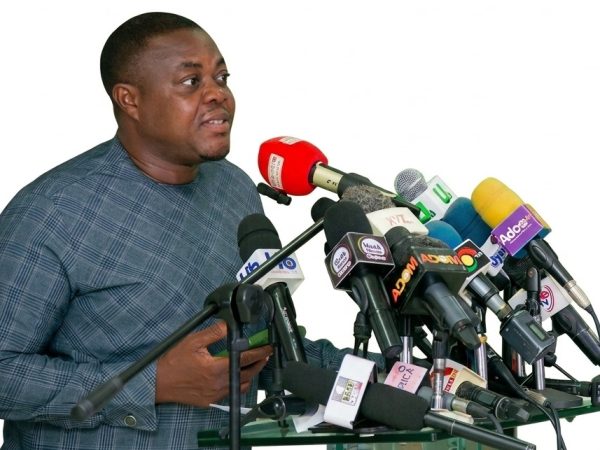


The Kabul-Accra Connection: Ken Ofori Atta Hires Lawyer with Unresolved Corruption
There is a reason serious prosecutors fear documents more than speeches: Documents, remember. The man currently touring media studios to launder indignation for former Finance Minister Ken Ofori-Atta has a documentary footprint of his own—one that deserves daylight.
Enayat Qasimi did not enter public life as a saintly defender of rights. Long before he became a Washington-based advocate, he served as Afghanistan’s Minister of Transport.
That tenure ended under a cloud of formal corruption allegations by Afghan prosecutors. The accusations were surgical: abuse of office, misappropriation linked to aircraft procurement, and inflated contracts.
A state airline deal was allegedly overpriced by millions. Qasimi was arrested. He was detained. He was released on bail while investigations continued. Crucially, the case did not end in exoneration; it dissolved into distance.
A Pattern of Deflection
This matters because it establishes a pattern. When accountability approaches, the response is not ledgers, but leverage. Not courtrooms, but corridors. Not answers, but narratives.
Now, place that history beside the present. Ken Ofori-Atta is not being pursued for his opinions; he is being sought for transactions. We are talking about revenue assurance arrangements that haemorrhaged state income, procurement processes that bypassed approvals, and a tax refund account treated like loose change. These are not metaphors; they are line items currently under investigation by the Office of the Special Prosecutor (OSP).
The Strategy: Reputational Fog
The defence strategy is clear: Don’t disprove the facts; attack the forum. Qasimi’s public campaign follows the exact architecture of his own past entanglements, recasting prosecutors as persecutors, shifting attention from contracts to constitutions, and replacing forensic timelines with personal trauma.
Notice what is missing.
There is no forensic rebuttal of the SML arrangements. There is no document trail dismantling the alleged procurement breaches. Instead, we get interviews about health, politics, and feelings. This is not a legal defence; it is reputational fog.
Projection, Not Advocacy
A lawyer with unresolved corruption allegations from his own public service now asks Ghana to suspend scrutiny of a client accused of the same. He asks the public to trust his moral outrage while refusing to submit his client to the very process that would clear him. That is not advocacy—that is projection.
The playbook is wearyingly familiar, Delay until memory fades, complicate until fatigue sets in, internationalize until domestic resolve weakens, and weaponize the law to turn enforcement into a culture war.
The Simple Prescription
If Qasimi truly believes in due process, the remedy is simple: Produce the client. Submit to questioning. File motions in court. Let the judge rule. Anything else is mere theatre.
Ghana does not owe apologies for enforcing its statutes. It owes its citizens answers about how their money was managed. Ghana is not on trial for asking questions; the questions are on trial because someone refuses to answer them.
From Kabul to Accra, the geography may change, but the method remains the same: when the questions close in, the answers are replaced with distance, noise, and delay.
Source: Kay Codjoe
About Author