

rCOMSDEP Intensifies Responsible Mining Campaign in Savannah and Upper West Regions

The Responsible Cooperative Mining and Skills Development Programme (rCOMSDEP), operating under the Ministry of Lands and Natural Resources, has stepped up its campaign to promote responsible and sustainable mining practices in the Savannah and Upper West Regions.
The nationwide initiative seeks to introduce communities to the Responsible Cooperative Mining Scheme, which is designed to create opportunities for small-scale miners to operate legally under a cooperative model, restore degraded lands, attract investment, and channel development projects into mining areas through a Community Development Fund.
Community Engagements in Savannah Region
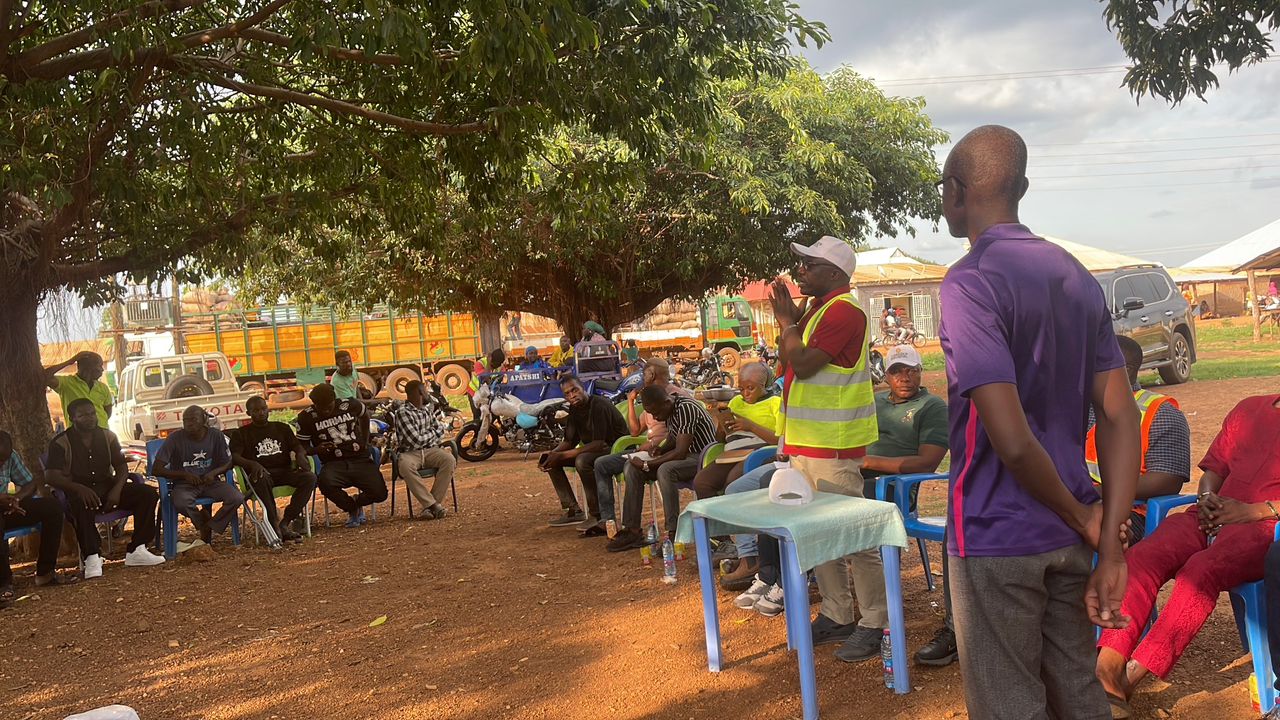
In the Savannah Region, sensitization engagements were held in Maluwe, Signyekura, Wakawaka, and Sakpa.
At Maluwe, the National Coordinator of rCOMSDEP explained that the scheme would not only attract investor confidence but also guarantee structured benefits for mining communities through community-driven development projects.

Residents, however, expressed concern that much of their mineralized land overlapped with restricted zones and large-scale concessions, limiting their access to the scheme.
At Signyekura, Ing. Pedro, a technical officer of the programme, highlighted the benefits of the scheme, including access to financing, skills development, and apprenticeship opportunities for young people.
He stressed that rCOMSDEP would help reduce the destruction caused by illegal mining while ensuring the restoration of degraded lands. The local chief commended the government’s initiative and pledged the community’s full support in the fight against illegal mining.
In Wakawaka, discussions were particularly animated, as a local community committee chairman lamented the dangers posed by abandoned pits left behind by illegal miners, which have led to livestock deaths.
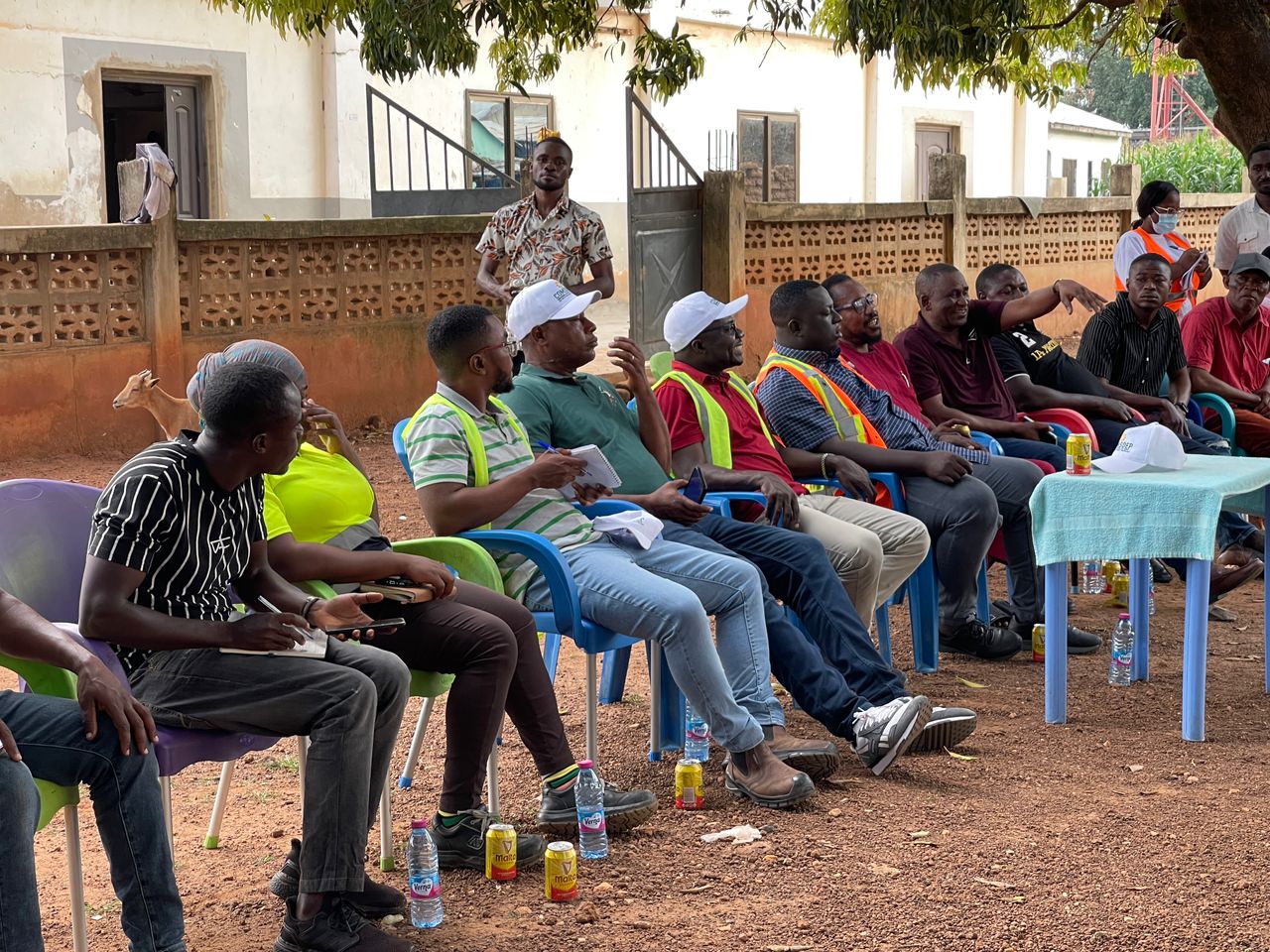
He appealed to the Ministry to expedite the rollout of the cooperative mining scheme to improve community safety and livelihoods.
At Sakpa, residents welcomed the programme but raised concerns that their designated mining site had already been allocated to a large-scale operator.
The National Coordinator assured the community that government would engage with the company involved to release a portion of the concession to the cooperative, thereby safeguarding local participation in mining activities.
Engagements in Upper West Region
In the Upper West Region, the rCOMSDEP team held sensitization meetings in Goripie, Dayonkura, Manwe, and Bulenga. Communities generally expressed optimism about the scheme but also raised three key concerns.
Some of these concerns they shared were, limited access to land, as most mineralized areas had already been taken up by large-scale concessions,lack of respect for community entry protocols by some mining companies, which they said undermined traditional authority and unresolved compensation claims, with landowners yet to be compensated for lands absorbed into concessions.
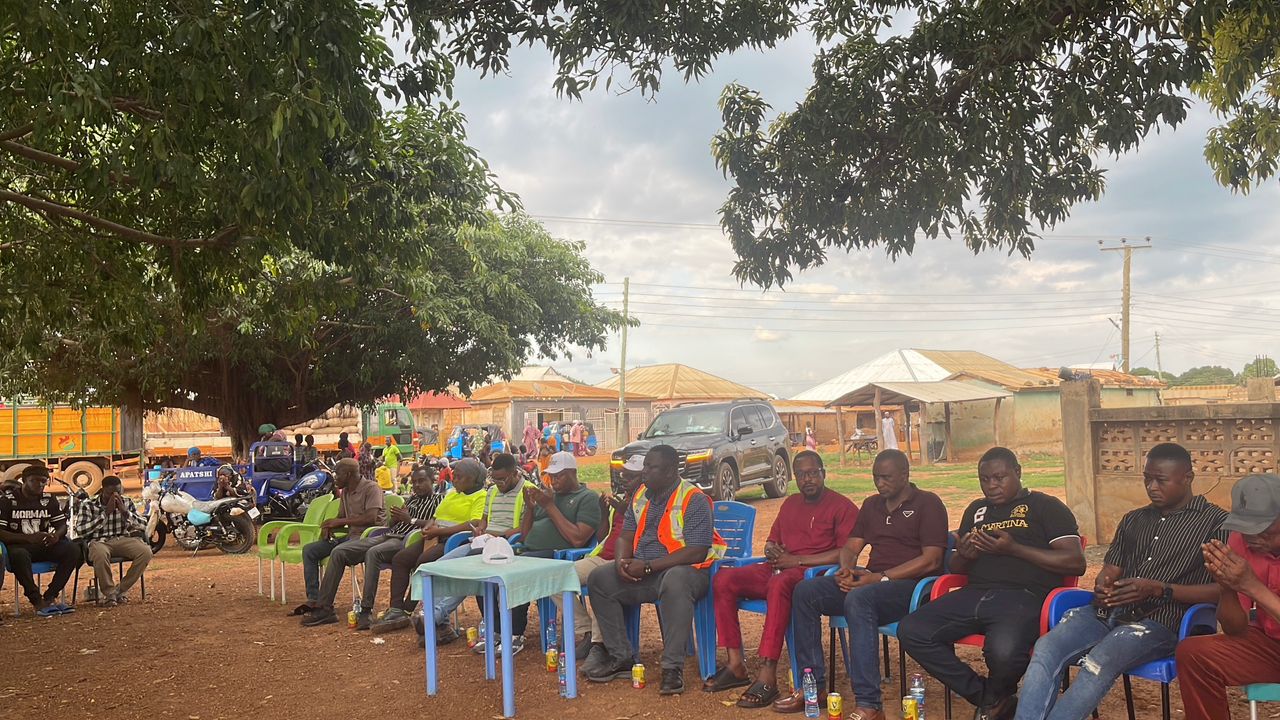
Responding to these issues, Mr. Asare, another official of rCOMSDEP, assured the communities that the new cooperative scheme would place local people at the center of mining decisions.
He emphasized that fairness, accountability, and inclusiveness would guide implementation, ensuring that past grievances were not repeated.
Pathway to Inclusive and Sustainable Mining
The sensitization tour ended on a hopeful note, with community leaders and residents lauding the programme’s potential to create jobs, particularly for the youth, while safeguarding the environment.
They also noted that the Responsible Cooperative Mining Scheme could become a viable alternative to destructive illegal mining if effectively implemented.
Community members pledged their support and called for swift government action to ensure the cooperative model becomes a reality.
The rCOMSDEP initiative, beyond empowering local miners, is expected to promote transparent, community-entered mining practices that balance economic development with environmental sustainability.
Source: John Afful (rCOMSDEP/ expressnewsghana.com
About Author