
2026 Budget Sets Stage for Agricultural Growth and Poverty Reduction – Dr. Jasaw
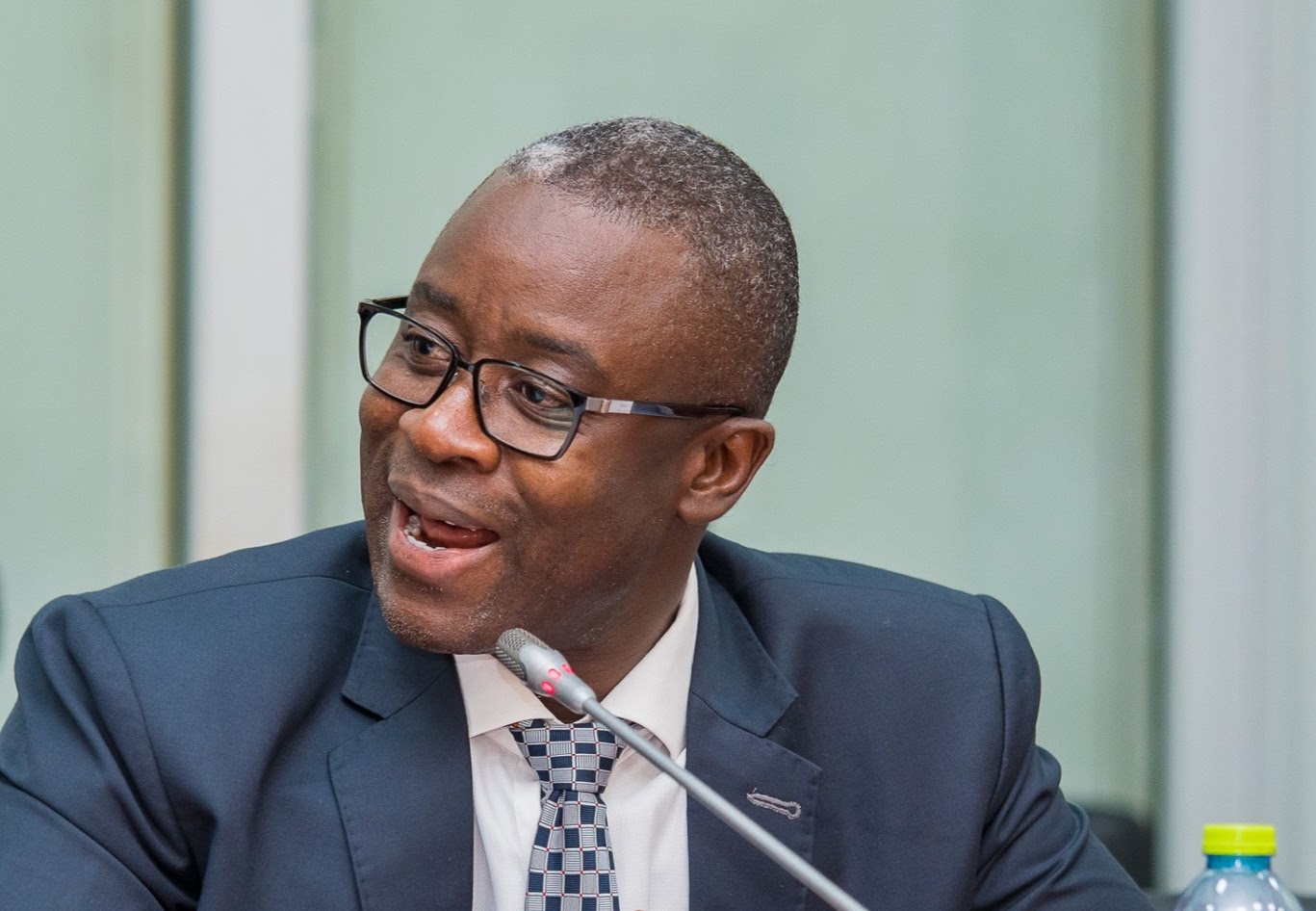
The Chairman of Parliament’s Food and Agriculture Committee and MP for Wa East, Dr. Godfred Seidu Jasaw, has said the 2026 Budget provides strong and targeted investments to boost food production, expand key cash crop industries, and ultimately reduce poverty across the country.
Debating the 2026 Budget Statement and Economic Policy on Wednesday, November 19, Dr. Jasaw praised the government for adopting what he described as a “deliberate and strategic approach” to strengthening Ghana’s productive sectors, especially agriculture.
According to him, the allocations contained in the budget point to a clear shift from rhetoric to action, with strong emphasis on capacity building, value addition, and improved market systems.
Cocoa Sector Receives Major Boost
Dr. Jasaw highlighted the cocoa sector as a prime example of renewed government commitment.
He stated that longstanding debts in the industry, previously a major concern have been significantly reduced due to improved production levels.
Output has risen from under 500,000 metric tons last year to about 603,000 metric tons this year, enabling Ghana to pay down much of the 333,000 metric-ton debt owed to international partners.
The budget includes free cocoa spraying services worth GH¢2.4 billion and the reinstatement of free fertilizer distribution. An additional 200,000 hectares of cocoa farmland is also expected to come under cultivation—an intervention Dr. Jasaw describes as “decisive and strategic.”
Oil Palm and Rubber to Drive Job Creation
Complementing the cocoa sector, the MP noted bold government plans to expand oil palm cultivation by 100,000 hectares, backed by a US$500 million investment over four years.
He added that a new policy restricting raw rubber exports, combined with support for domestic processing, will position the rubber industry as another major job creator.
Food Security, Buffer Stock Support, and Feed Ghana Programme
Dr. Jasaw lauded the government’s efforts to bring food inflation down to 8%, crediting the impact of the ongoing Feed Ghana programme.
For the first time, the National Food Buffer Stock Company has been explicitly provided for in the budget, enabling it to purchase, store, and stabilize food supplies nationwide.
Government institutions will now be required to procure made-in-Ghana foodstuffs—a move expected to create stable markets for farmers.
Irrigation, Rural Roads, and Poultry Expansion
The MP also welcomed the Irrigation for Wealth Programme, which will introduce solar-powered boreholes to help farmers cope with unpredictable rainfall linked to climate change. In addition, 1,000 km of new feeder roads will be constructed in farming communities to reduce transportation costs and post-harvest losses.

On poultry, he referenced the Nkoko Kitikiti initiative, which aims to produce thousands of birds in each district, supported by increased maize and soybean production.
Fisheries Sector Prioritized
Dr. Jasaw noted that the newly passed Fisheries Act, 2025 (Act 1146), is being fully implemented through budget allocations to fight illegal fishing (IUU) and strengthen aquaculture.
Women and youth in coastal communities will benefit from targeted aquaculture investment, alongside improved fishing inputs and market infrastructure.
Path toward Food Security and Growth
The MP concluded that the improvements in production levels are the result of deliberate policy, not coincidence.
He expressed confidence that by the end of 2026, Ghana will have overcome food security challenges and placed agriculture firmly at the center of economic growth.
Dr. Jasaw urged Parliament to support the passage of the 2026 Budget to sustain the momentum in the agricultural sector.
Source: Felix Nyaaba/expressnewsghana.com
About Author