

Local Government Ministry Engages Faith-Based Organisations to Tackle Gender-Based Violence and Child Marriage
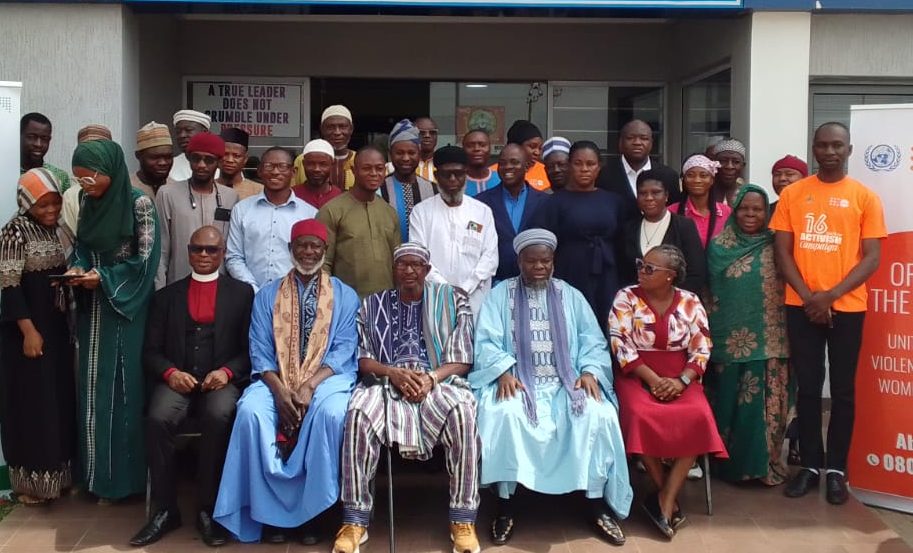
The Ministry of Local Government, Chieftaincy and Religious Affairs, in collaboration with the United Nations Population Fund (UNFPA), on December 15, 2025, held a stakeholder engagement in the Upper East Region aimed at combating gender-based violence and early child marriage.
The engagement, held at Extee Hotel, brought together faith-based organisations, traditional authorities, religious leaders, community members, the media, and other key stakeholders. The initiative is seen as a strategic and culturally sensitive approach to addressing the persistent challenges of child marriage and gender-based violence in the region.
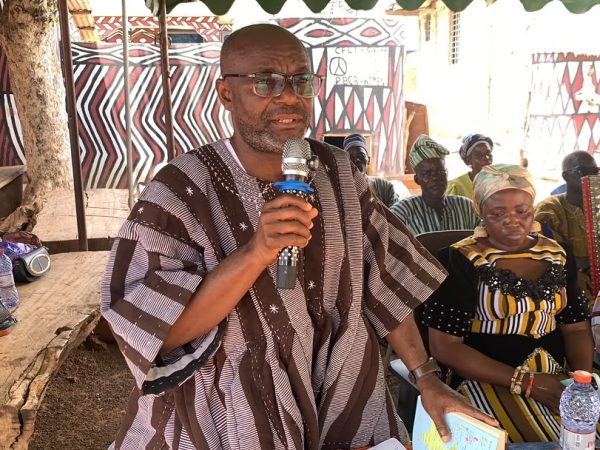
Speaking at the event, the Paramount Chief of the Bongo Traditional Area, Naba Baba Salifu Alemyarum Atamale, underscored the importance of partnering with traditional and religious leaders to end child marriage.
“Your decision to work with us in the Upper East Region in the area of ending child marriage is commendable and anchored on the principles of human rights,” he said.
He described the girl child as the heartbeat of the community and an integral part of the region’s cultural heritage, stressing that investing in girls’ education, health, and empowerment would enable them to contribute meaningfully to both regional and national development.
The Upper East Regional Gender Officer, James Twene, explained that the engagement focuses on working closely with faith-based organisations, religious leaders, and traditional rulers to address the issue of child marriage.
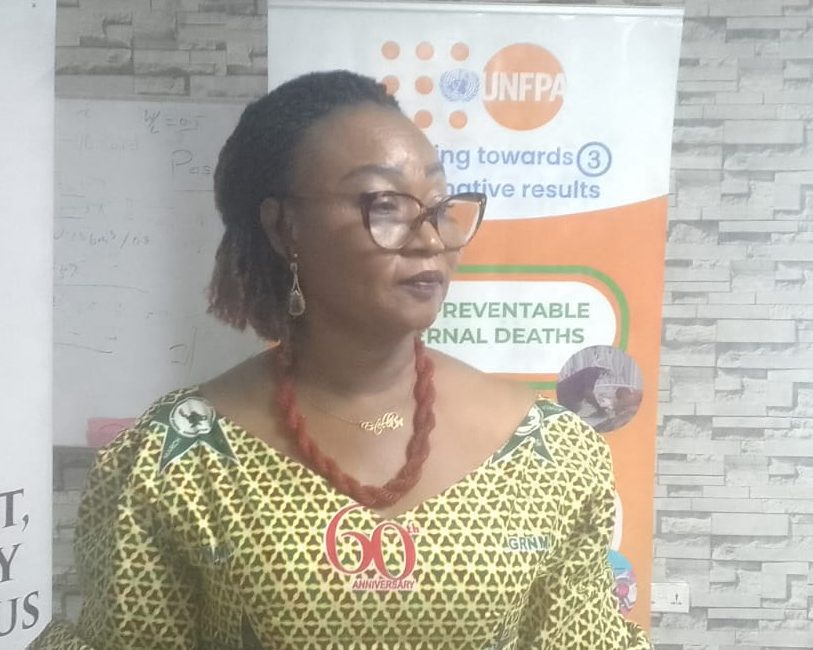
He noted that child marriage violates the fundamental human rights of children, adding that under global, continental, and national laws, a child is defined as anyone below the age of 18 years.
The engagement forms part of broader efforts to raise awareness and educate communities on the harmful effects of gender-based violence and early marriage, with emphasis on human rights, health consequences, and the legal implications of such practices.
Organisers expressed optimism that sustained collaboration with faith-based and traditional institutions would help drive behavioural change and protect the rights and well-being of children, particularly girls, in the Upper East Region.
Source: Joseph Napoleon Anaaya/expressnewsghana.com
About Author