

“Rise As Sentinels Of Sobriety”: Ghana’s Silent Drug Crisis Demands Bold Action

Ghana’s President John Dramani Mahama has called on traditional authorities to ‘rise as sentinels of sobriety”. An overdue but very necessary call. Necessary because Ghana is facing a growing storm — a drug abuse epidemic that’s quietly devastating its youth, tearing at families, and draining the nation’s future. While attention has been given to economic and political issues, this public health emergency continues to spread, largely unchecked.
A Pandemic in Plain Sight
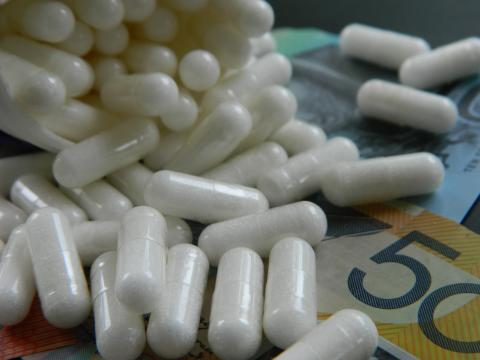
From cities to rural towns, drug abuse has become disturbingly common. Tens of thousands of students — from junior high to tertiary level — are reportedly using hard drugs. Adolescents are abusing tramadol, codeine, weed edibles, shisha laced with narcotics, and even dangerous synthetic drug cocktails like “Red.”
Alarmingly, over 60% of students in some regions have experimented with drugs, and cases of addiction, overdose, mental illness, and school dropouts are rising sharply.
A Destructive Path
The consequences are devastating:
- Mental Health Crisis: Hospitals are seeing thousands of young people with substance-related disorders.
- Education Disruption: Drug use leads to absenteeism, poor performance, and permanent dropout.
- Crime & Insecurity: Addiction fuels theft, assault, and other anti-social behaviour.
- Economic Loss: A generation of productive youth is being lost to addiction.

Why the Response Feels Weak
Despite the growing threat, Ghana’s response has been slow and fragmented:
- National awareness campaigns exist, but lack scale and sustained funding.
- Few rehabilitation centres operate, leaving most addicts without support.
- Law enforcement focuses on arrests, not on long-term prevention or treatment.
- Traditional authorities are only now being called upon to help — and many lack resources or guidance.
Root Causes Run Deep
Poverty, unemployment, mental health issues, and easy drug access are fueling the crisis. Weak border control, inadequate regulation, and social stigma make it worse.
What Must Be Done — Now
If Ghana is to rise as a “sentinel of sobriety,” this crisis must be met with bold, united action:
- Empower Traditional Leaders to lead local interventions and prevention efforts.
- Fund and Expand Treatment Centres for rehabilitation and recovery.
- Educate the Youth early — in schools, homes, and communities.
- Strengthen Law Enforcement against traffickers, not just users.
- Invest in Mental Health and job creation to address root causes.
This Is a National Emergency
This is not just a youth issue — it’s a national emergency. Without decisive action, Ghana risks losing an entire generation to addiction. The President’s call is clear. Now, the question is: will Ghana truly rise?
Kasise Ricky Peprah
The Honourrebel Siriguboy
About Author