
2026 Budget Boom: MPs Set for Massive 16.78% Increased Common Fund Allocation for Constituency

An impeccable sources of document intercepted by ExpressNewsGhana indicates that, the 2026 fiscal year is shaping up to be a landmark period for local governance in Ghana as the District Assemblies Common Fund (DACF) prepares to inject GHS 8,769,707,900 into constituency for members of Parliament community development.
This massive allocation represents a significant 16.78% increase over the previous year’s budget of GHS 7.51 billion, a move that signals a robust commitment to driving growth from the grassroot up.
This, is derived from the 5% of the projected total national revenue for 2026, the new funding structure aims to empower Members of Parliament and local assemblies to tackle urgent infrastructure and social needs with greater financial muscle.
The windfall brings particularly good news for constituency-led development.
Funding for Constituency Labour Projects, managed by MPs, is projected to hit GHS 438,485,395, while an additional GHS 263,091,237 has been earmarked specifically for Constituency Monitoring and Evaluation.
Our sources document further indicated that , the these funds are designed to be shared equally among all MPs, ensuring that every district, regardless of its political or geographical standing, has the resources to oversee and execute vital local projects.
To ensure transparency, the release of these funds will be tied to strict documentary evidence and quarterly reporting by the lawmakers.
While the budget increase is being celebrated, the DACF is also making a bold push for social equity and systemic reform.
In a major policy shift, the allocation for Persons with Disabilities (PWDs) has been hiked from 3% to 5%, totaling over GHS 438 million.
This increase is specifically targeted at enhancing the socio-economic wellbeing of the vulnerable, with a portion of the funds set aside to clear outstanding infrastructure debts from 2024.
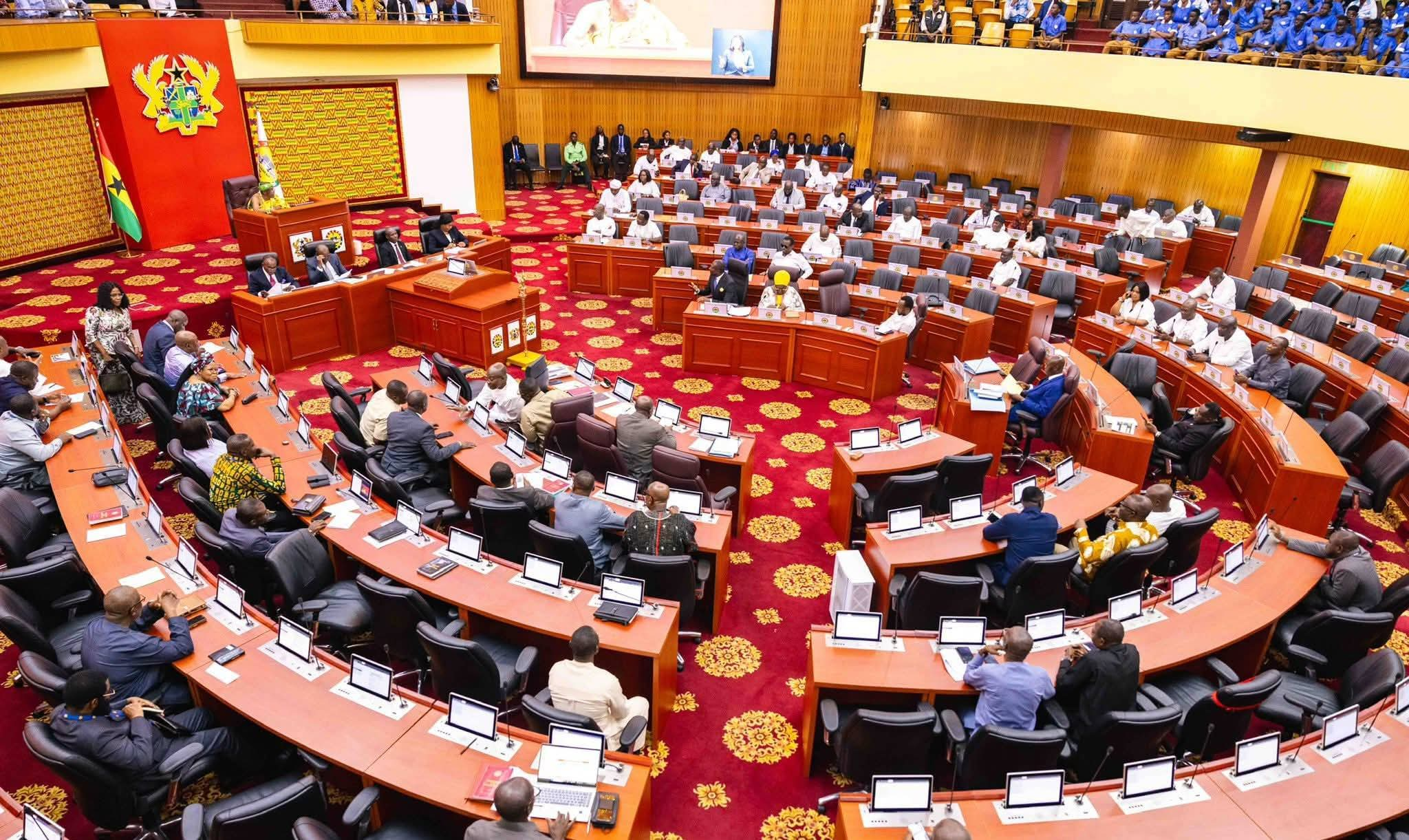
Further checks by ExpressNewsGhana pointed out to the fact that, the Fund is calling on Parliament to address “Revenue Capping” concerns, arguing that current legislative limits on petroleum revenue shares may contradict constitutional provisions intended to maximize local funding.
To ensure the money reaches those who need it most, the DACF has recommended the need based distribution model which prioritizes the “Need Factor”, accounting for 70% of the weight, which looks at everything from health facility-to-population ratios to teacher-pupil gaps and clean water coverage.
By focusing on these metrics, the Fund intends to bridge the development gap for “Distressed Constituencies” those hard-to-reach areas struggling with high poverty and weak infrastructure.
The document intercepted clearly portray that, the government and the Ministry vision for 2026 is clear, a more equitable, predictable, and transparent financial architecture that ensures decentralization is not just a policy on paper, but a lived reality for every Ghanaian.
Source: expressnewsghana.com
About Author