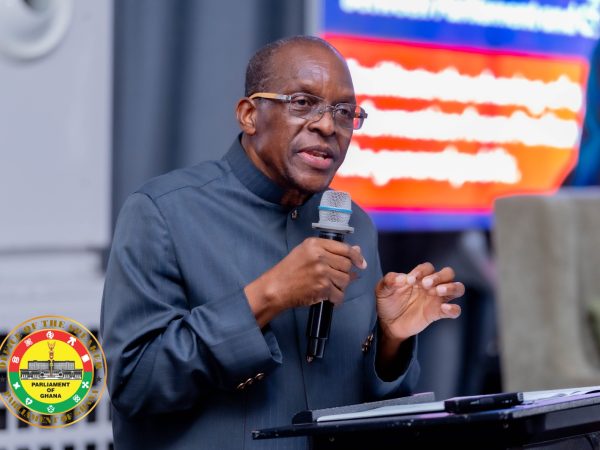


Parliament Engages Stakeholders to Formalise Student Voice Charter
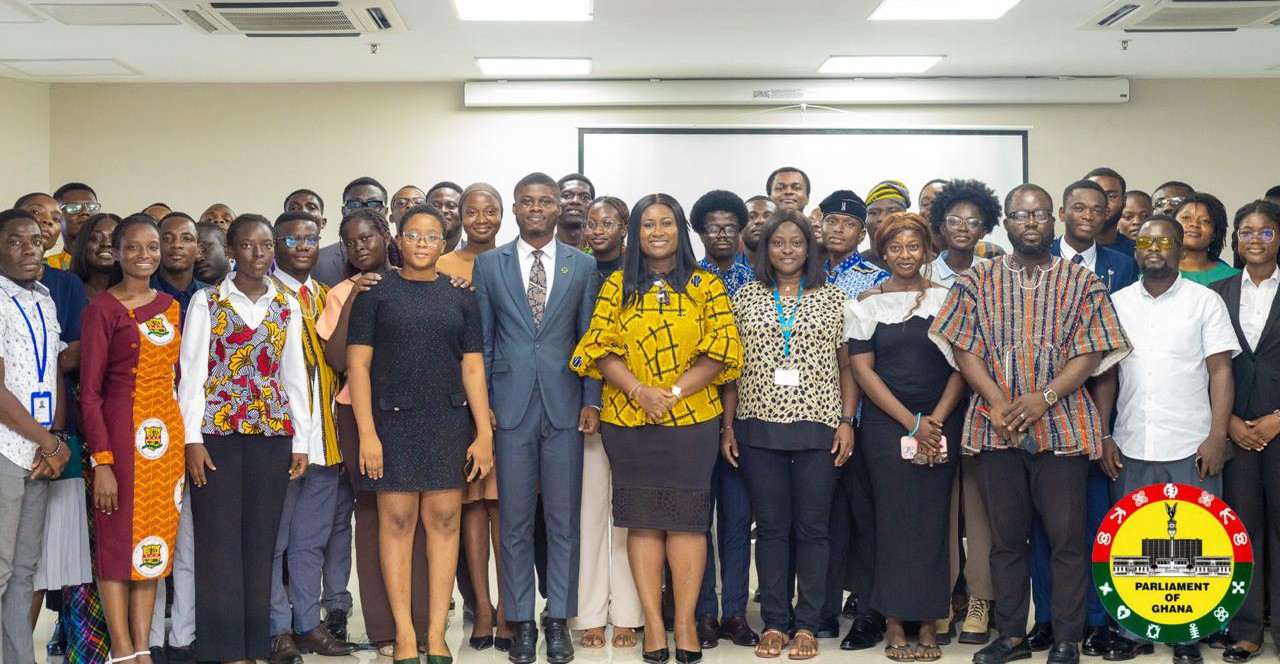
The Parliament of Ghana has taken a significant step toward institutionalising youth participation in governance, engaging key stakeholders to refine a proposed Student Parliament Charter.
The is aimed at shaping structured engagement with tertiary students across the country.
At a high-level consultation convened by the Department of Public Engagement, Director Effia Tenge underscored the importance of the initiative, describing the charter as a framework to anchor inclusive and non-partisan student involvement in national discourse.
“This charter is about creating a credible and structured platform where students’ ideas are not only heard but rigorously debated and refined,” she said. “We want young people to see themselves as active contributors to governance and national development—not spectators.”
Discussions at the forum focused on critical elements of the proposed framework, including governance structures, membership criteria, electoral systems, and safeguards for inclusivity.
Particular emphasis was placed on gender balance and the representation of persons with disabilities—issues participants said must be embedded firmly in the charter.
While stakeholders broadly endorsed the charter’s non-partisan vision, they warned that its credibility would depend on robust protections against political interference.
Contributors called for clearer provisions on leadership tenure, succession planning, and mechanisms for resolving electoral disputes to enhance transparency and accountability.
“The idea is commendable, but its success will hinge on how well it is insulated from partisan influence,” one participant noted. “If properly structured, this could become a powerful training ground for future leaders.”
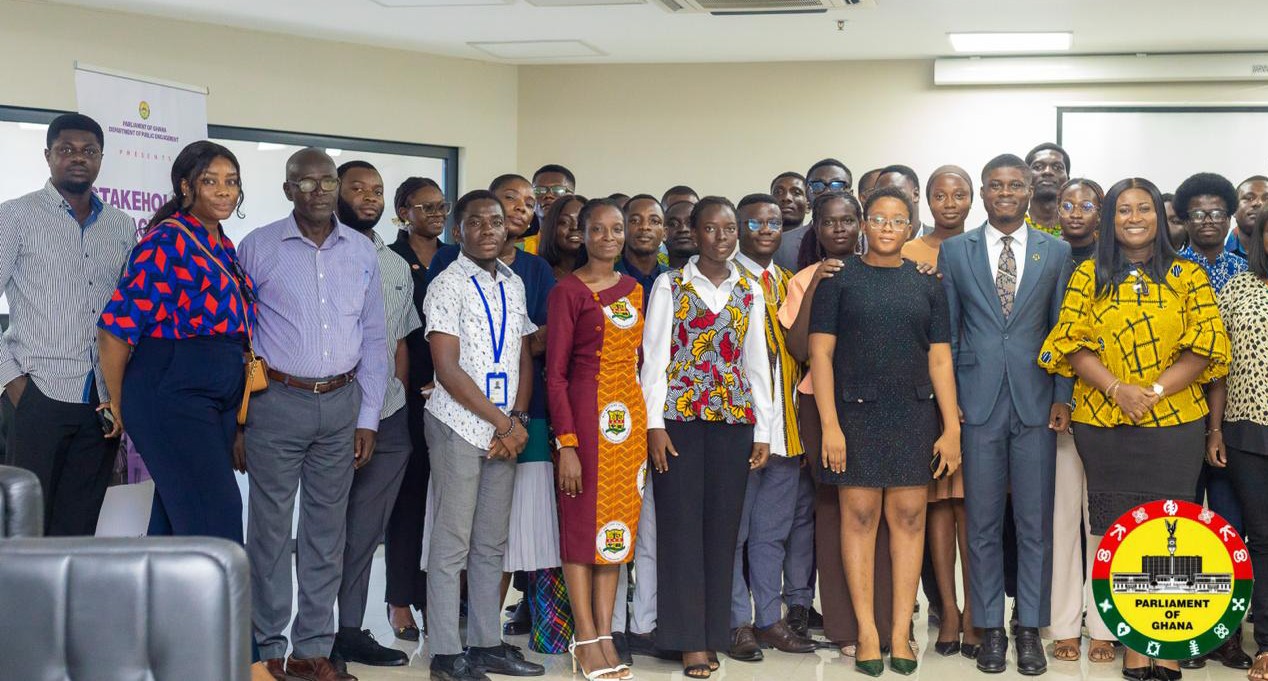
The proposed charter, once finalised, is expected to formalise Student Parliaments as recognised extensions of parliamentary engagement and establish a clear pathway for youth input into governance processes.
According to the Department, Parliament currently engages more than 3,000 registered student members nationwide, providing practical exposure to legislative procedures while encouraging debate on issues affecting youth development.
Further consultations are expected in the coming weeks, bringing on board universities, Members of Parliament, educators, and civil society actors to fine-tune the document before its eventual adoption.
Institutions represented at the consultation included University of Ghana, Kwame Nkrumah University of Science and Technology, University of Professional Studies Accra, Accra Technical University, and several other tertiary institutions, alongside past Student Speakers and civil society groups.
About Author