

Parliament Passes Tribunal Bill 2026; Majority Says New Law Will Restore Confidence in Justice System

Parliament has passed the Tribunal Bill, 2026, paving the way for the re-establishment of tribunals to provide speedy and specialized justice in accordance with the 1992 Constitution.
The Bill, which was passed after its third reading following an extended sitting of the House, establishes a legal framework for the establishment, jurisdiction, composition and operation of tribunals, creates a Tribunal Oversight Committee, and provides related administrative and operational arrangements.
The legislation was approved with the Majority Caucus in support after the Minority staged a walkout during the consideration stage, arguing that the Bill could revive aspects of the tribunal system associated with the PNDC era.
First Deputy Speaker Hon Bernard Ahiafor, who presided over proceedings, put the final question to the House before declaring the Bill passed.
“An Act to provide for the establishment, jurisdiction, composition and operation of tribunals in accordance with the Constitution, establish a Tribunal Oversight Committee and for related matters… The Tribunal Bill, 2026 is now duly read the third time and passed,” he announced.
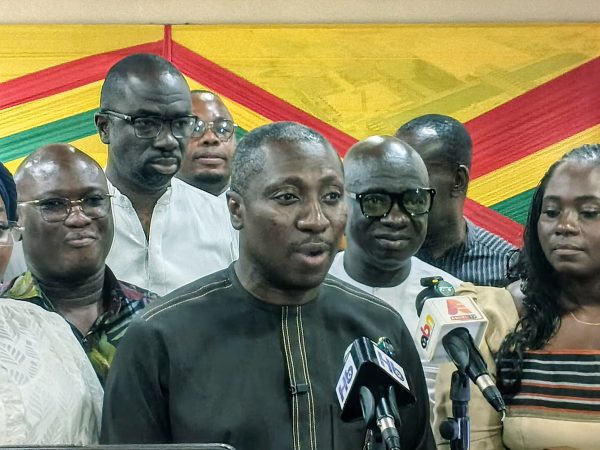
Following the passage, Majority Leader, Hon Mahama Ayariga assured Ghanaians that the law would be implemented strictly after receiving presidential assent, insisting that the legislation fulfils a key campaign promise made by the National Democratic Congress (NDC).

According to him, criticisms of the Bill amount to questioning the mandate given to the government by the Ghanaian electorate.
“The questions of how to enact this law are, in effect, questioning the judgment of the several millions of Ghanaians who voted the NDC into office.”
“We, as a party, will remain true to the commitment that we made to the people,” he said.
Mr. Ayariga argued that the tribunal system would strengthen public trust in the justice delivery process by ensuring faster and more efficient adjudication of cases.
“We know that Ghanaians want to have confidence in the administration of justice. We believe the setting up of tribunals will go a long way to restore confidence in the administration of justice. Let’s give the tribunals an opportunity. Let’s shape it and make it deliver an expeditious administration of justice, which we believe will engender public confidence in our democracy.”
The Majority Leader also maintained that concerns raised by civil society organisations had been carefully considered during the legislative process, adding that Parliament remains open to future amendments if genuine concerns arise.
“I believe that all the concerns of civil society groups have been adequately dealt with. I urge civil society groups to take a look at the Bill and its various provisions, and if there are concerns, this House is a listening House and we can revisit some of the issues. But for now, we believe we have provided Ghana with the best framework for a tribunal system of administrative justice as one can possibly have.”
Mr. Ayariga paid tribute to the First Deputy Speaker, Members of Parliament, the Clerk to Parliament and staff of the Table Office for enduring a marathon sitting that began the previous day to ensure the successful passage of the Bill.
He revealed that some MPs had to interrupt travel plans, while others were called from their homes to return to Parliament to help form the required quorum.
He also expressed appreciation to members of the Parliamentary Press Corps and other journalists who remained in Parliament throughout the lengthy proceedings.
“Our journalists, our media and our Parliamentary Press Corps have been with us since yesterday. As a House, we need to commend them for being with us through thick and thin as we worked towards the passage of this Bill.”
The Tribunal Bill, 2026, will now be transmitted to President John Dramani Mahama for assent before it comes into force.
Once assented, the new law is expected to establish a constitutional tribunal system aimed at providing specialised, accessible and expeditious justice while operating under the oversight mechanisms created by the Act.
Source: Felix NYAABA/expressnewsghana.com
About Author