

Breaking: Parliament Passes Revised Anti-LGBTQ Bill Amid Sharp Debate
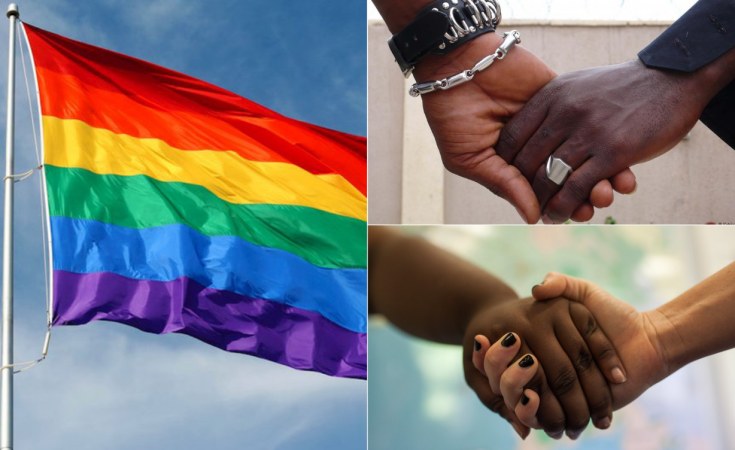
Parliament has passed the revised Human Sexual Rights and Family Values Bill, 2025, widely referred to as the anti-LGBTQ bill, following intense debate and fresh amendments that exempt some professionals and institutions from sanctions under the proposed law.
The amended legislation criminalises LGBTQ-related activities but provides protections for lawyers offering legal representation to LGBTQ persons, journalists and media organisations reporting on LGBTQ-related matters, and medical and mental health professionals providing healthcare, counselling or psychological services.
The passage of the bill on Friday followed heated exchanges on the floor of Parliament, with the Minority Caucus strongly opposing the newly introduced amendments. Minority members argued that the exemptions exposed weaknesses in the earlier version of the bill that had previously been submitted to former President Nana Addo Dankwa Akufo-Addo for assent.
According to the Minority, the amendments were evidence that the original bill was “not fit for purpose” and required substantial corrections to address constitutional and professional concerns.
Despite the objections, Parliament approved the bill after deliberations, setting the stage for the next phase of the legislative process, including presidential assent and the possibility of renewed legal challenges.
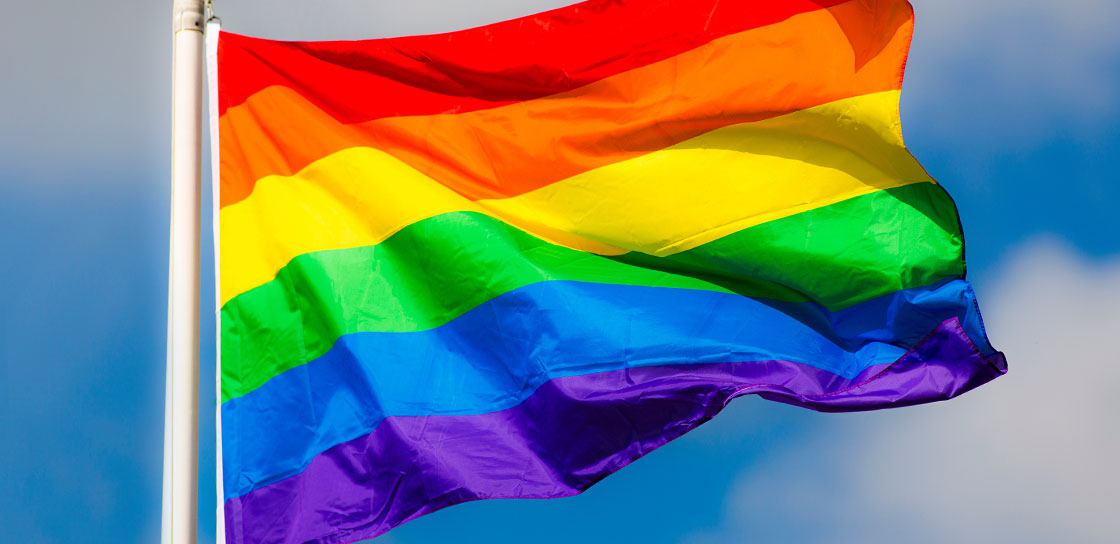
The Human Sexual Rights and Family Values Bill has remained one of the most controversial pieces of legislation in Ghana’s recent history since it was first introduced in Parliament in 2021 by a bipartisan group of lawmakers led by Sam George.
Supporters of the bill, including several religious organisations, traditional leaders and conservative groups, have consistently argued that the legislation is necessary to preserve Ghanaian cultural, religious and family values.
“This law is about protecting the moral and cultural foundation of our country,” proponents of the bill have repeatedly maintained throughout public discussions on the legislation.
The bill seeks to strengthen existing laws against same-sex relations while prohibiting the promotion, advocacy, funding and public support of LGBTQ activities.
Before the introduction of the bill, Ghana already criminalised same-sex sexual relations under Section 104 of the Criminal Offences Act, which outlaws what the law describes as “unnatural carnal knowledge.” However, supporters argued that existing legislation did not adequately address LGBTQ advocacy, campaigns, public displays, funding and activism.
The original bill proposed strict sanctions against same-sex relations, LGBTQ advocacy, the formation or funding of LGBTQ groups, and media or educational content perceived to support LGBTQ rights.
The legislation quickly generated fierce public debate across the country and attracted significant international attention. Religious bodies, including the Ghana Catholic Bishops’ Conference, the Christian Council, Pentecostal and Charismatic groups, as well as some Islamic organisations, openly backed the bill.
However, human rights groups, civil society organisations, legal experts and international bodies criticised the legislation, arguing that it threatened constitutional freedoms, freedom of expression and equality before the law.
International concern over the bill also intensified between 2023 and 2024, with reports suggesting that some development partners and financial institutions were closely monitoring developments surrounding the legislation. Analysts warned that the passage of the bill could potentially affect Ghana’s international reputation, foreign investment and development support.
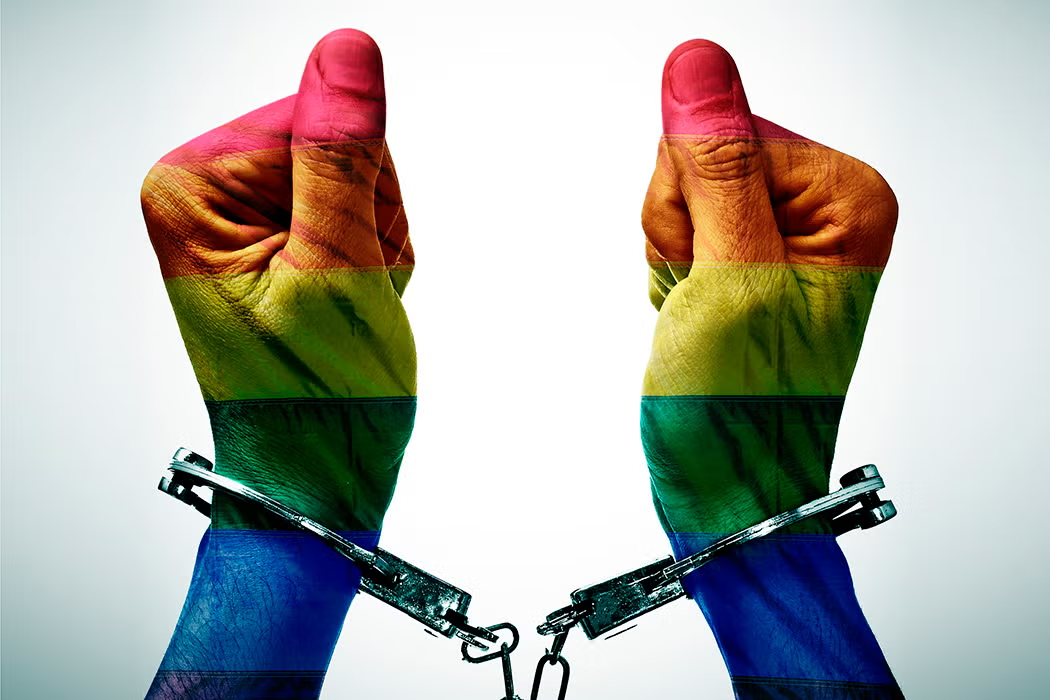
In February 2024, Parliament initially passed the bill and forwarded it to former President Nana Addo Dankwa Akufo-Addo for assent. However, the President withheld assent as multiple legal challenges were filed at the Supreme Court questioning both the constitutionality of the bill and the procedure used for its passage.
Petitioners argued that portions of the bill violated constitutional rights, including freedom of speech, association and equality, while others questioned whether Parliament had complied with constitutional requirements governing private members’ bills and legislation with financial implications.
The legal disputes stalled the bill from becoming law and triggered further national debate over the balance between constitutional rights and cultural values.
The revised version passed by Parliament on Friday introduced exemptions for legal practitioners, journalists and healthcare professionals. Supporters of the amendments argued that the changes were necessary to protect professional duties and constitutional guarantees.
Parliament’s latest decision is expected to reignite both domestic and international debate over the bill, which remains one of Ghana’s most polarising social and political issues.
Attention now turns to the Presidency and the courts as the country awaits the next constitutional steps regarding the controversial legislation.
Source: Felix NYAABA//expressnewsghana.com
About Author