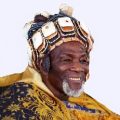
Garu MP Pushes for Legal Reforms to Address Ghana’s Critical Doctor Shortage

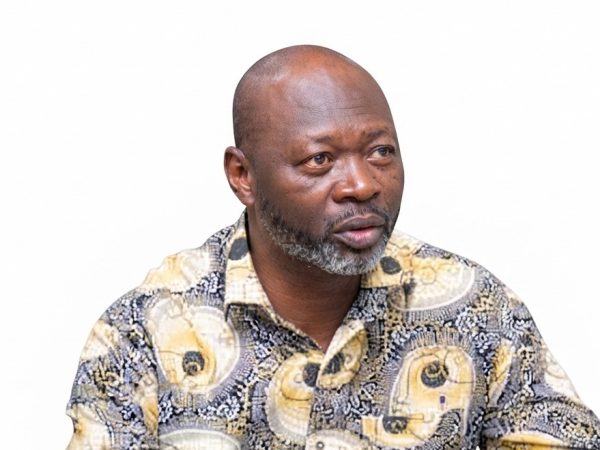
The Member of Parliament (MP) for Garu, Dr Thomas Winsum Anabah, has called on Parliament to pursue urgent legislative reforms that would enable foreign-trained medical doctors, particularly Ghanaians in the diaspora to return home and practice.
Delivering a passionate statement on the floor of Parliament on Thursday, March 11, 2026, Dr. Anabah described Ghana’s shortage of health professionals as a pressing national crisis that continues to undermine access to quality healthcare across the country.
“Across Ghana, many health centres and district hospitals remain critically understaffed,” he said. “While infrastructure and equipment are vital to a functional health system, the absence of adequate skilled personnel continues to undermine access to quality healthcare.”
He stressed that the issue goes beyond numbers, warning that the shortage of healthcare workers is a direct threat to equitable healthcare delivery nationwide.
“This workforce gap is not merely a structural concern but a direct threat to equitable and effective healthcare delivery in every constituency of our dear nation,” he stated.
Dr. Anabah noted that although thousands of nurses are trained annually, many remain unemployed due to fiscal constraints, while others leave the country in search of better opportunities.
“Meanwhile, in underserved areas, a few exhausted staff struggle to keep facilities running,” he added.
Turning to the shortage of doctors, he revealed that Ghana’s physician-to-population ratio stands at 2.66 per 10,000 people, far below the recommended benchmark.
“This clearly shows how far we must go,” he said, pointing out that the country needs about 32,000 doctors but currently has only 12,886.
He warned that even with continued training, the gap will persist for years if urgent action is not taken.
“Even if we continue to train about 900 to 1,000 doctors each year, and assume we retain all of them, it would take close to 20 years to close this gap,” he noted. “About 35 percent of locally trained doctors emigrate annually… we are therefore losing a significant portion of the very workforce we invest in training.”
Dr. Anabah also highlighted the disparity between urban and rural healthcare delivery, describing the situation as dangerous.
“Many rural districts… operate with only one or two doctors serving populations of over 40,000 people. This is not simply inconvenient. It places lives at risk,” he stressed.
He further raised concerns about the mental wellbeing of doctors, citing growing levels of stress and depression within the profession.
“This suggests that beyond the numbers, there is a strain on morale and mental health within the profession,” he said.

Drawing on global examples, Dr. Anabah urged Ghana to reform its licensing and credential recognition systems to attract foreign-trained doctors.
“We should make it easier for Ghanaian doctors abroad to return and practice, and for qualified foreign-trained doctors to contribute, without compromising patient safety,” he stated.
He proposed the introduction of supervised, fast-track licensing pathways and policies that align immigration with healthcare needs.
“Ghana can explore similar supervised, fast-tracked pathways,” he said, adding that such measures have proven effective in other countries.
The MP also called for broader reforms in medical education and training, saying “We must adopt competency-based medical education, expand postgraduate training pathways, and invest in faculty development and infrastructure,” he urged.
Despite the structural proposals, Dr. Anabah emphasized that improving working conditions remains critical. “Expanding numbers without addressing welfare will not solve the problem,” he cautioned, advocating for fair compensation, rural incentives, and better mental health support for healthcare workers.
He therefore called for national unity and urgency in addressing the crisis. “Achieving Universal Health Coverage by 2030 depends on the strength of our human resources for health,” he said. “The people of Garu, Gomoa, Ga Mashie, and every community in Ghana deserve accessible and quality healthcare.”
Other MPs who contributed to the statement commended the Garu lawmaker and urged that the government take up the proposed statement to formulate policies to address the pressing health needs, especially medical doctors returning home to practices.
Source: Felix Nyaaba//expressnewsghana.com
About Author