

Neglect and Ignored Warnings: The Silent Killers Behind Ghana’s Building Collapses
The recurring tragedies of structural failures across Ghana are not acts of God or sudden accidents, but rather the predictable culmination of years of systemic neglect and ignored warning signs.
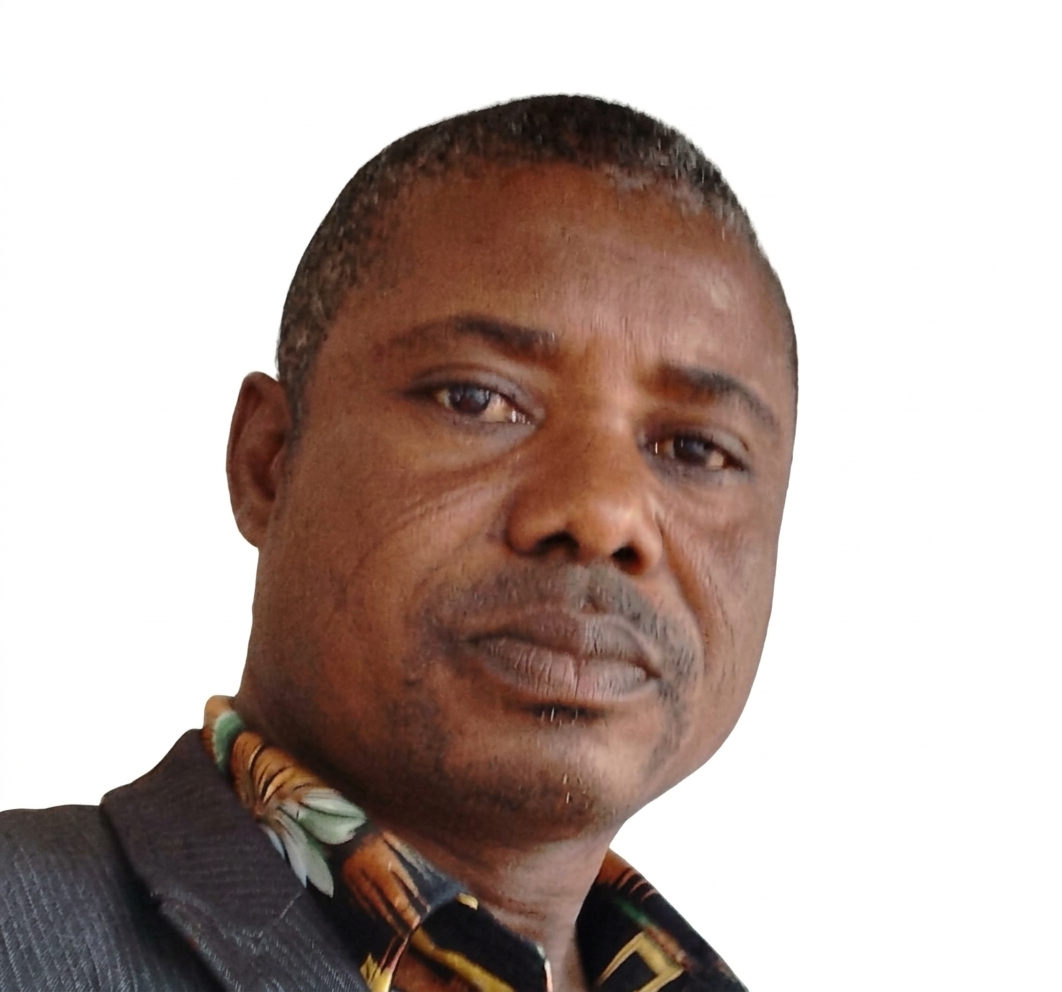
This stark assessment was delivered by Engineer John Amoah, the Northern Sector Chairman of the Institutions and Engineering Technology Ghana (IET-GH) and Head of Estates Development at St. John Bosco Training College, Navrongo.
Speaking on Bolga FM’s Tingmaalgo Sanga on March 31, 2026, Engineer Amoah challenged the public perception that buildings fail spontaneously.
He asserted that structural failure is almost always a progressive process, where minor issues like hairline cracks, water seepage, or foundation settlement are allowed to fester until they reach a catastrophic breaking point.
”Buildings do not collapse spontaneously; structural failure is usually a progressive process,” Mr. Amoah explained.
He noted that the typical lifespan of iron reinforcement is approximately 50 years, meaning many older structures in Ghana are currently reaching a critical threshold of vulnerability. “Over time, steel reinforcement corrodes, especially when maintenance is neglected.
Most building collapses we see today are the results of gradual weakening, not sudden failure.”
The engineer identified a lethal triad of neglect, substandard materials, and poor decision-making as the primary drivers of these disasters.
He pointed out that property owners frequently ignore early warning signs to save on costs, unaware that this neglect accelerates the degradation of vital structural components.
This is often compounded by the use of inferior cement, sand, and steel, which compromises the integrity of the building from the very first day of construction.
Beyond the physical materials, Mr. Amoah pointed to a crisis of professional and ethical oversight.

He argued that many collapses are rooted in inadequate designs, the blatant flouting of building codes, and the engagement of unqualified contractors.
He did not mince words regarding the role of ethics in the industry, stating that corruption and shortcuts in procurement or construction processes inevitably lead to poor decisions that cost lives.
To turn the tide, Engineer Amoah called for a shift in national consciousness toward professional vigilance and public awareness.
He concluded his address with a firm reminder that ensuring building safety is not a one-time event but a continuous responsibility.
According to the IET-GH Chairman, the path forward requires a rigid commitment to quality materials, sound engineering practices, and proactive oversight to address defects long before they become headlines.
Source: Joseph Napoleon Anaaya
About Author